
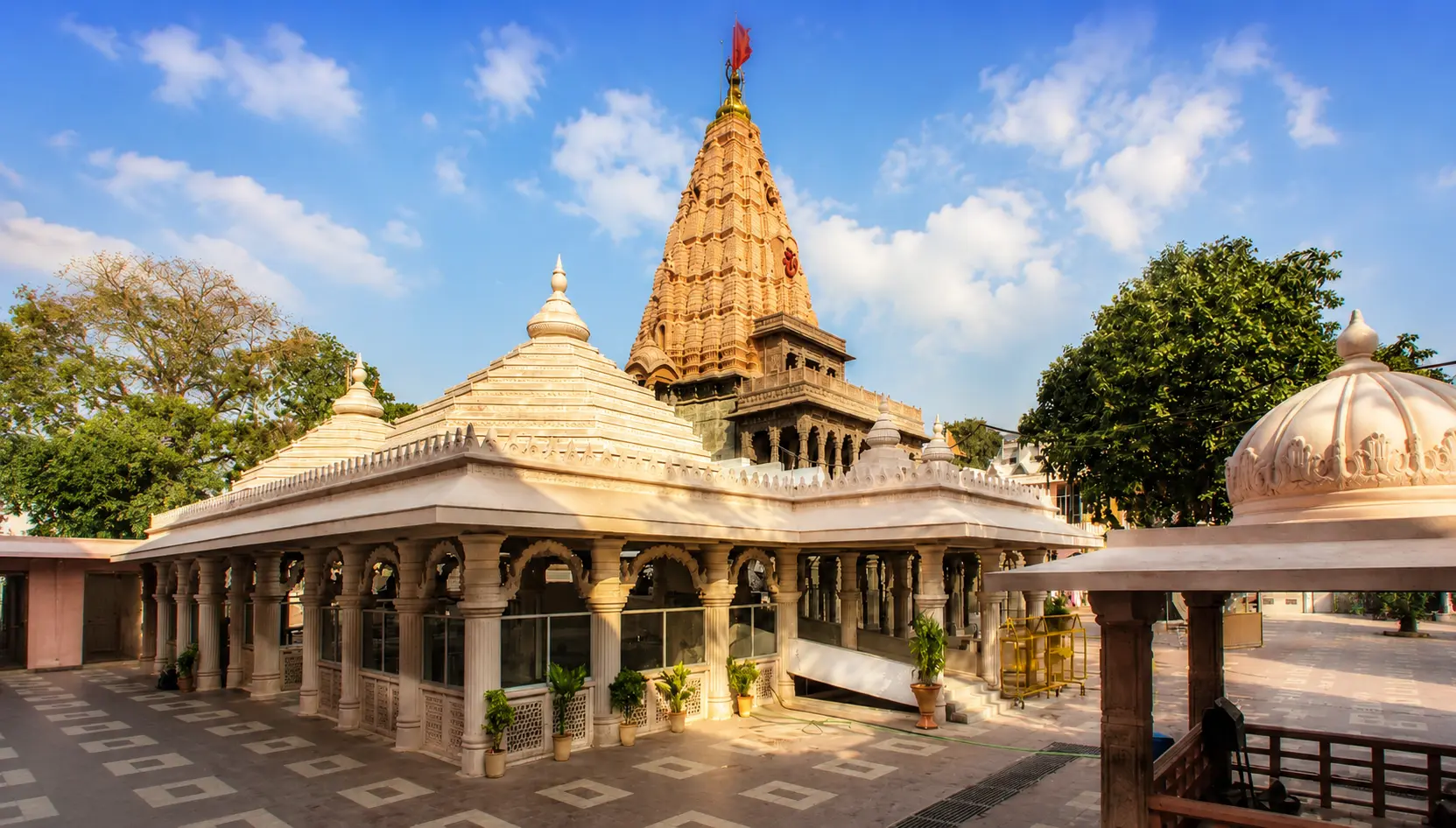
Mahakaleshwar Temple
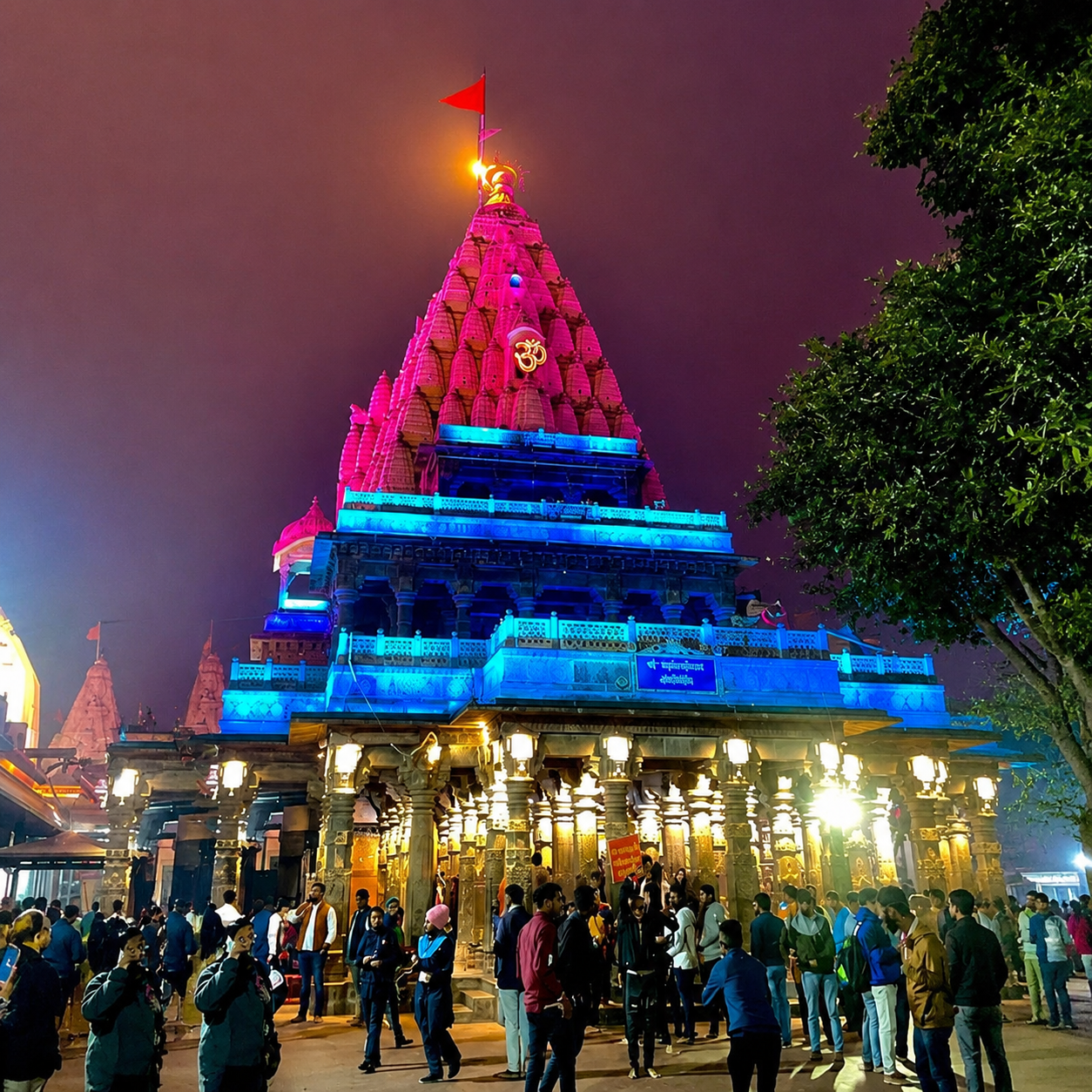
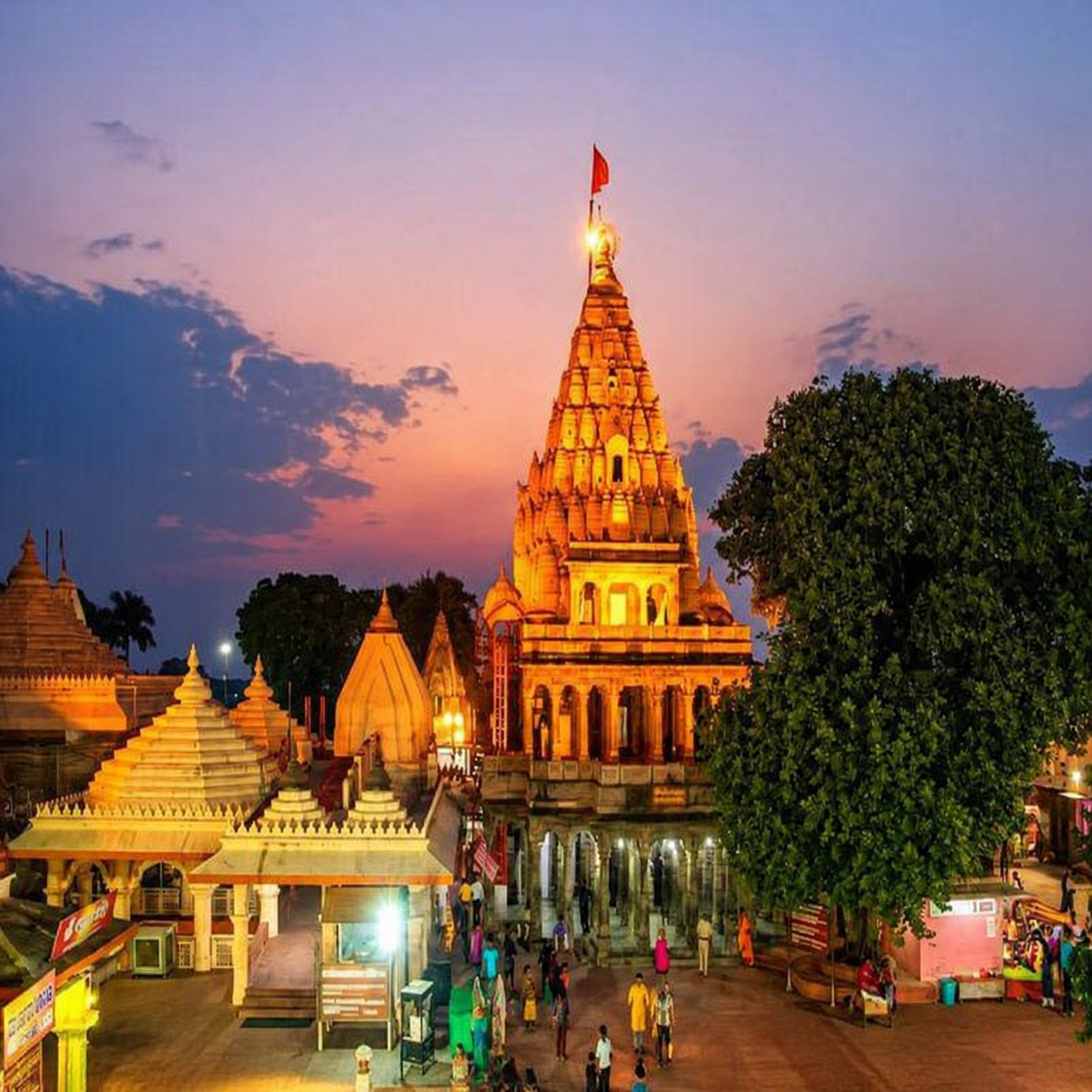
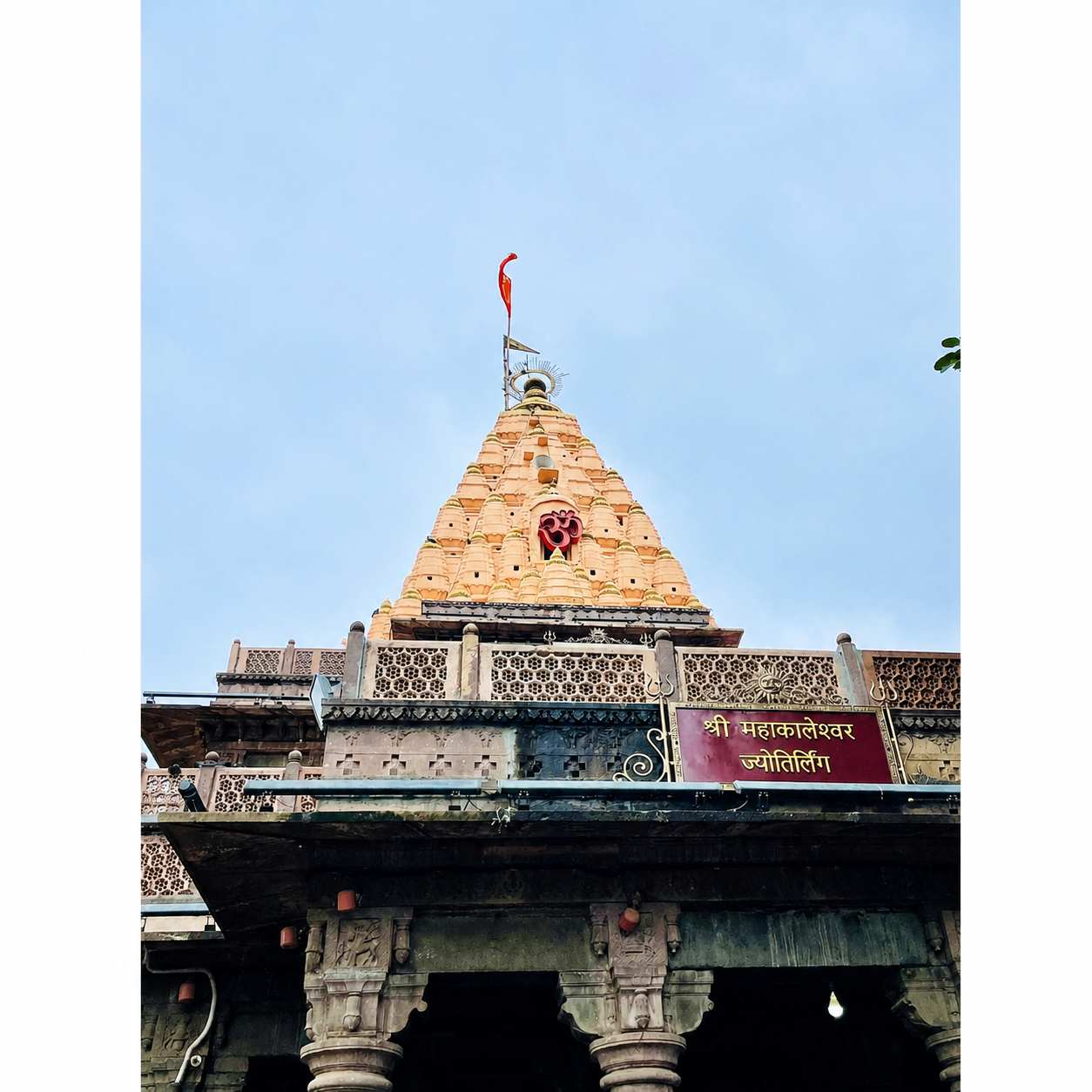
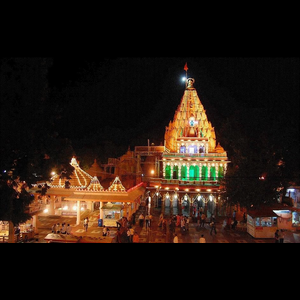
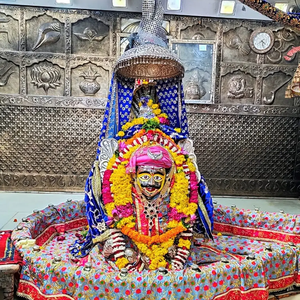
Mahakaleshwar Temple is one of the most revered Jyotirlingas dedicated to Lord Shiva. Situated in Ujjain, Madhya Pradesh
Mahakaleshwar Temple is one of the 12 sacred Jyotirlingas of Lord Shiva, located in the ancient city of Ujjain, Madhya Pradesh. It is one of the few temples where the Shiva Linga is Swayambhu (self-manifested), making it highly revered among devotees.According to Hindu mythology, Lord Shiva appeared in the fierce form of Mahakal to protect his devotees from the demon Dushan. After defeating the demon, Lord Shiva chose to remain at this sacred place as Mahakaleshwar, blessing devotees with protection, peace, and liberation.The temple has existed since ancient times and has been mentioned in several Hindu scriptures. It was rebuilt and restored by the **Maratha rulers in the 18th century**, and today it stands as one of India's most important pilgrimage sites.Mahakaleshwar Temple is especially famous for its unique Bhasma Aarti, performed every morning before sunrise using sacred ash. Thousands of devotees from across the world visit the temple each year to seek Lord Mahakal's divine blessings and experience its powerful spiritual atmosphere.
Tirupati Balaji Temple
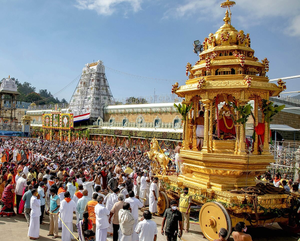
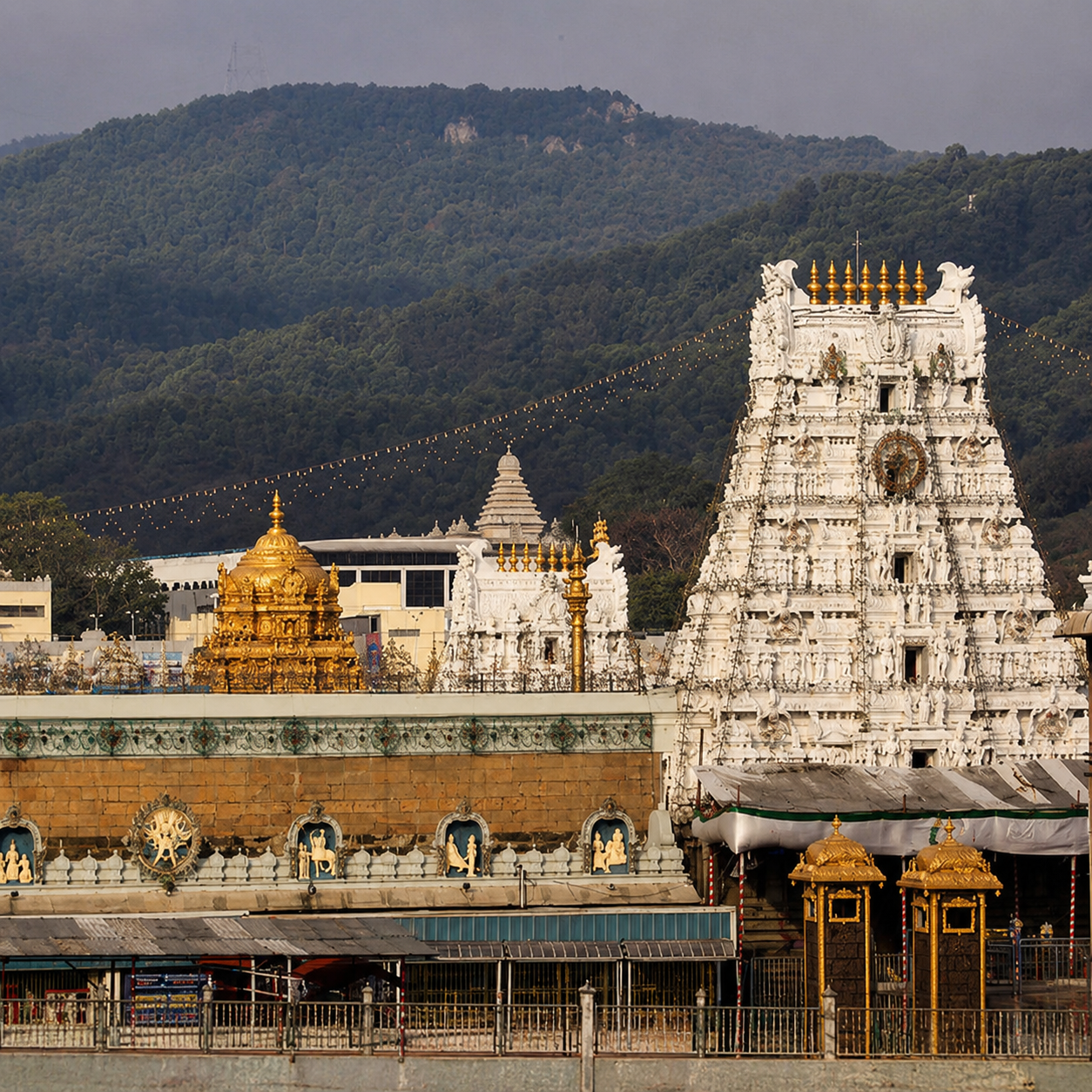
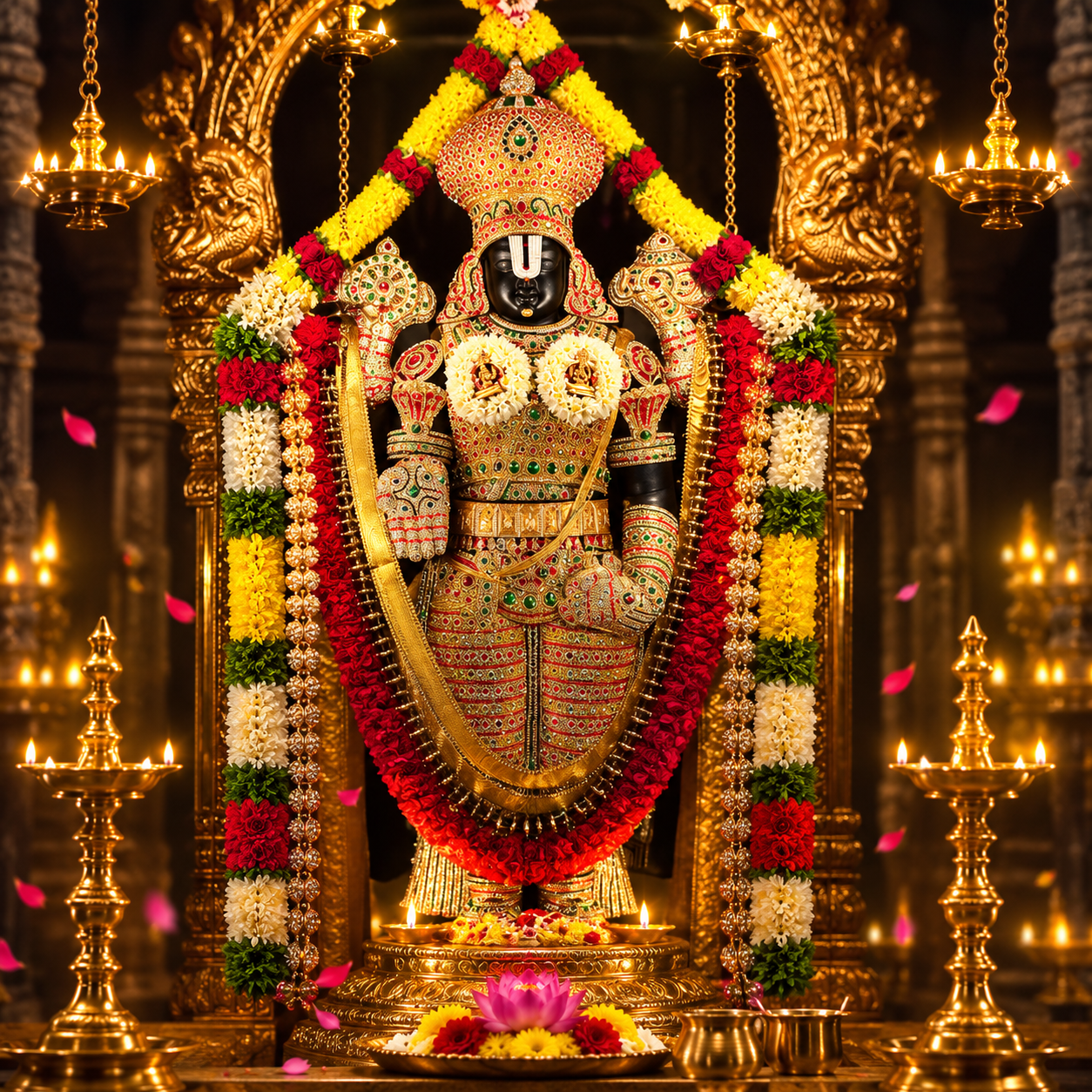
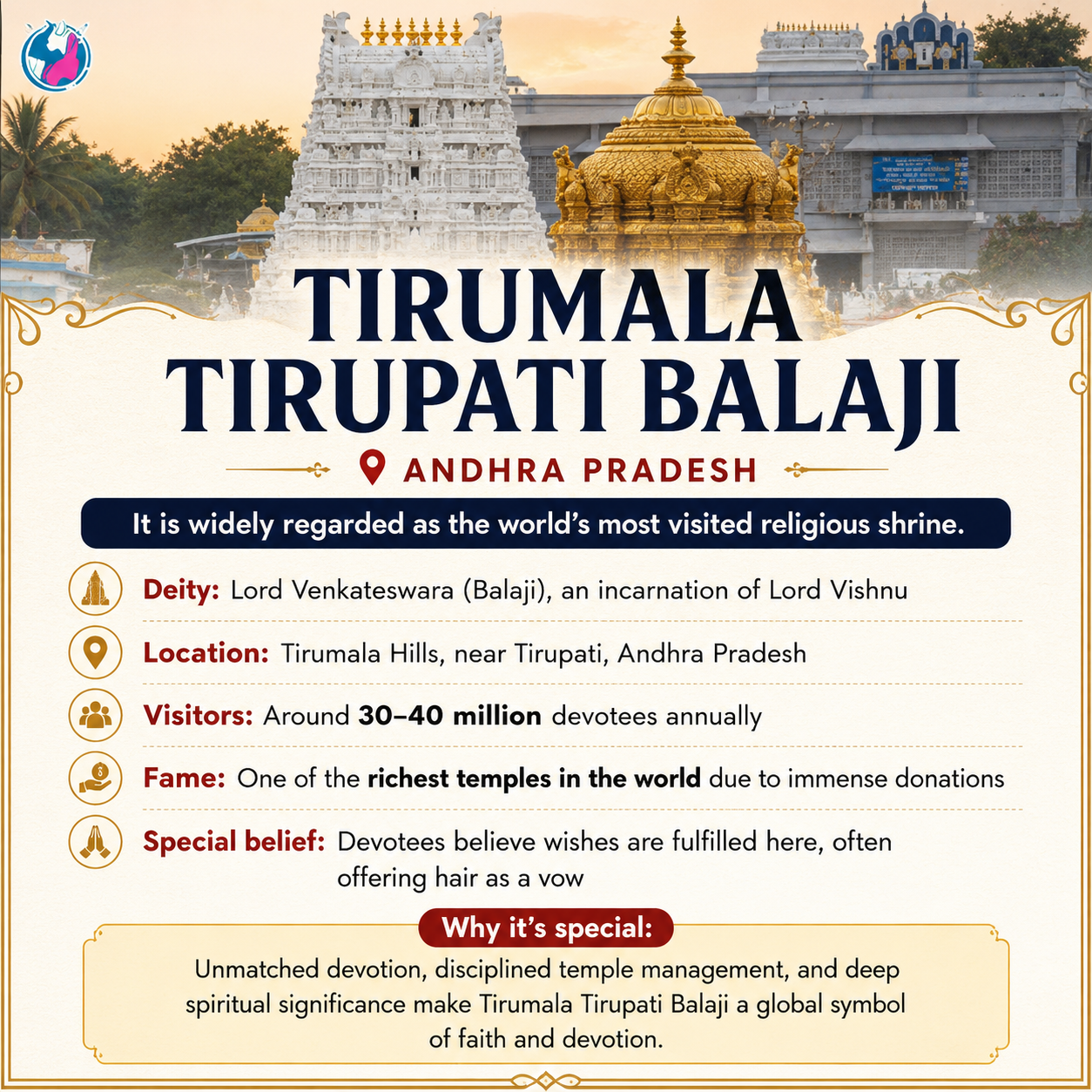
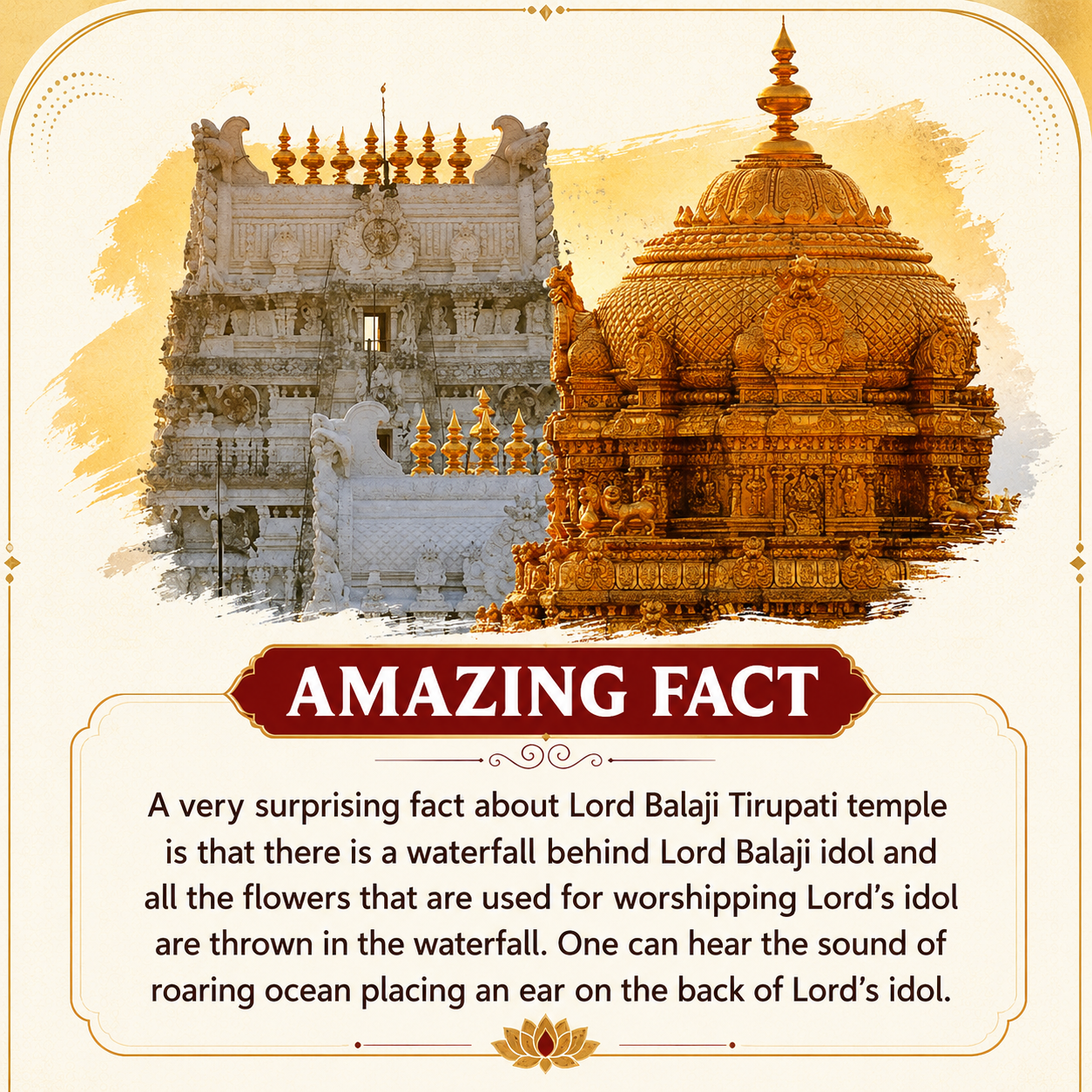
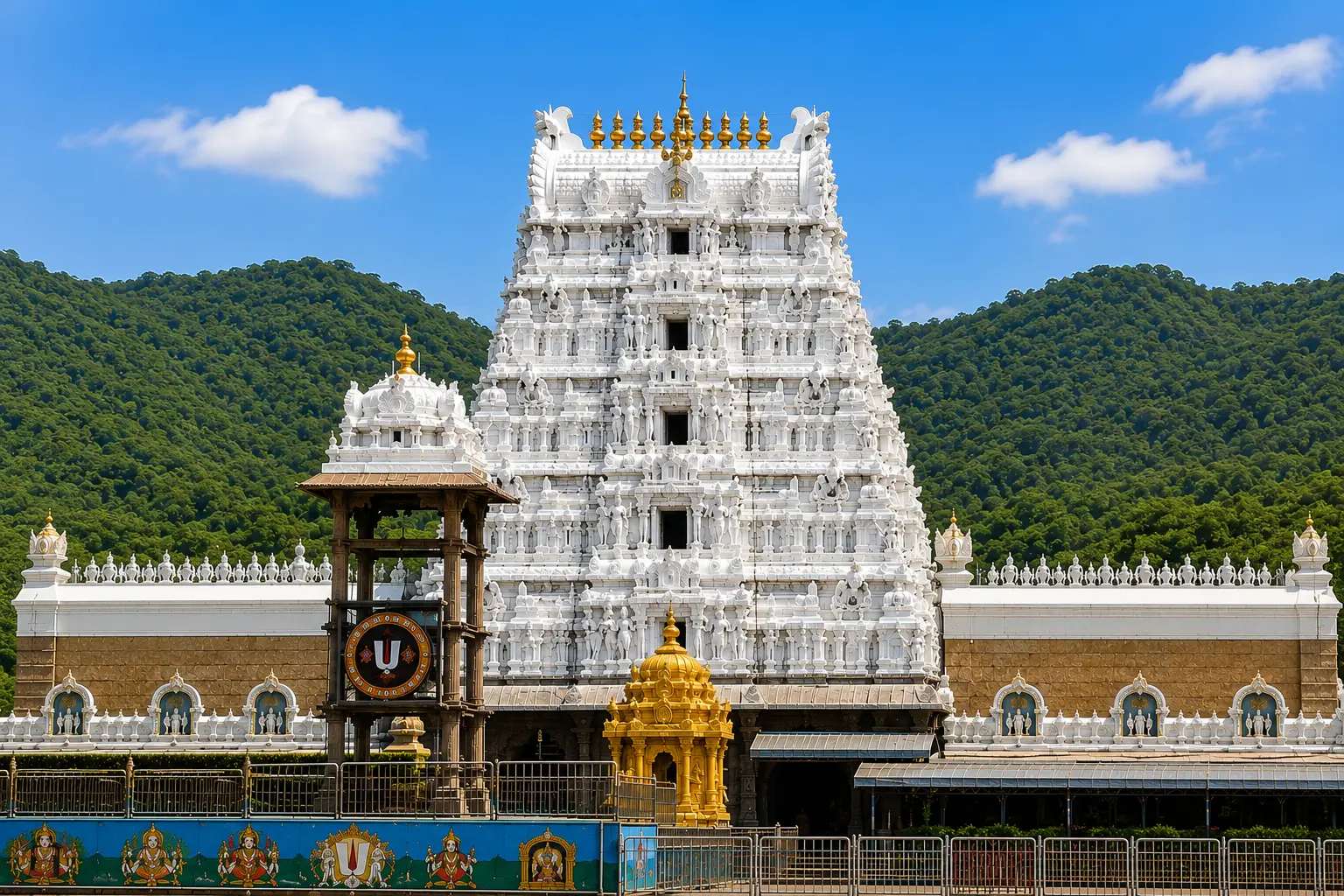
Tirupati Balaji Temple is one of the world's most revered Hindu pilgrimage sites, dedicated to Lord Venkateswara and renowned for its immense spiritual significance and divine blessings.
Tirupati Balaji Temple, also known as Sri Venkateswara Swamy Temple, is located on the sacred Tirumala Hills in Andhra Pradesh and is one of the most visited and revered Hindu temples in the world. Dedicated to Lord Venkateswara, an incarnation of Lord Vishnu, the temple has been a major pilgrimage destination for centuries.According to Hindu tradition, Lord Vishnu manifested as Lord Venkateswara on the Tirumala Hills during the Kali Yuga to protect humanity and bless devotees with prosperity, peace, and salvation. Ancient scriptures such as the Varaha Purana and Bhavishyottara Purana describe the divine significance of this sacred shrine.Historically, the temple has existed for over 1,500 years, with inscriptions dating back to the 9th century CE. It received generous patronage from the Pallava, Chola, Pandya, and Vijayanagara dynasties, especially under the rule of King Krishnadevaraya, who made significant contributions to the temple's development.
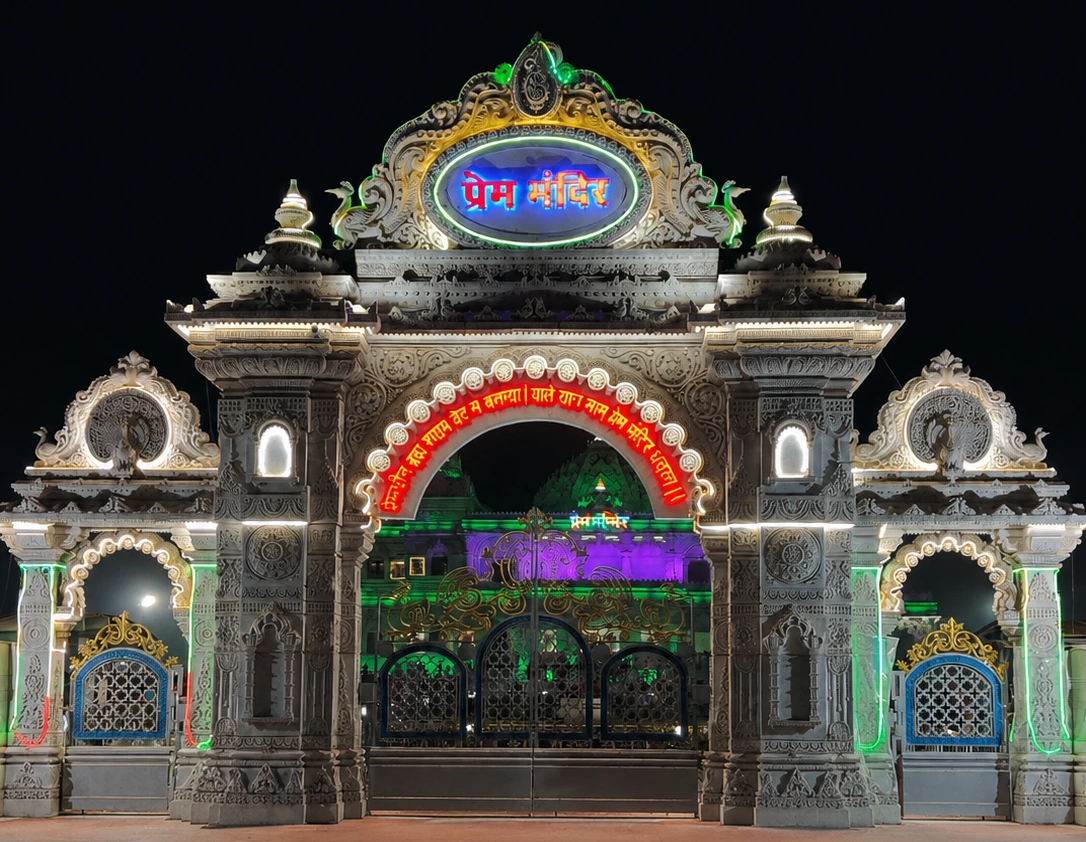
Prem Mandir
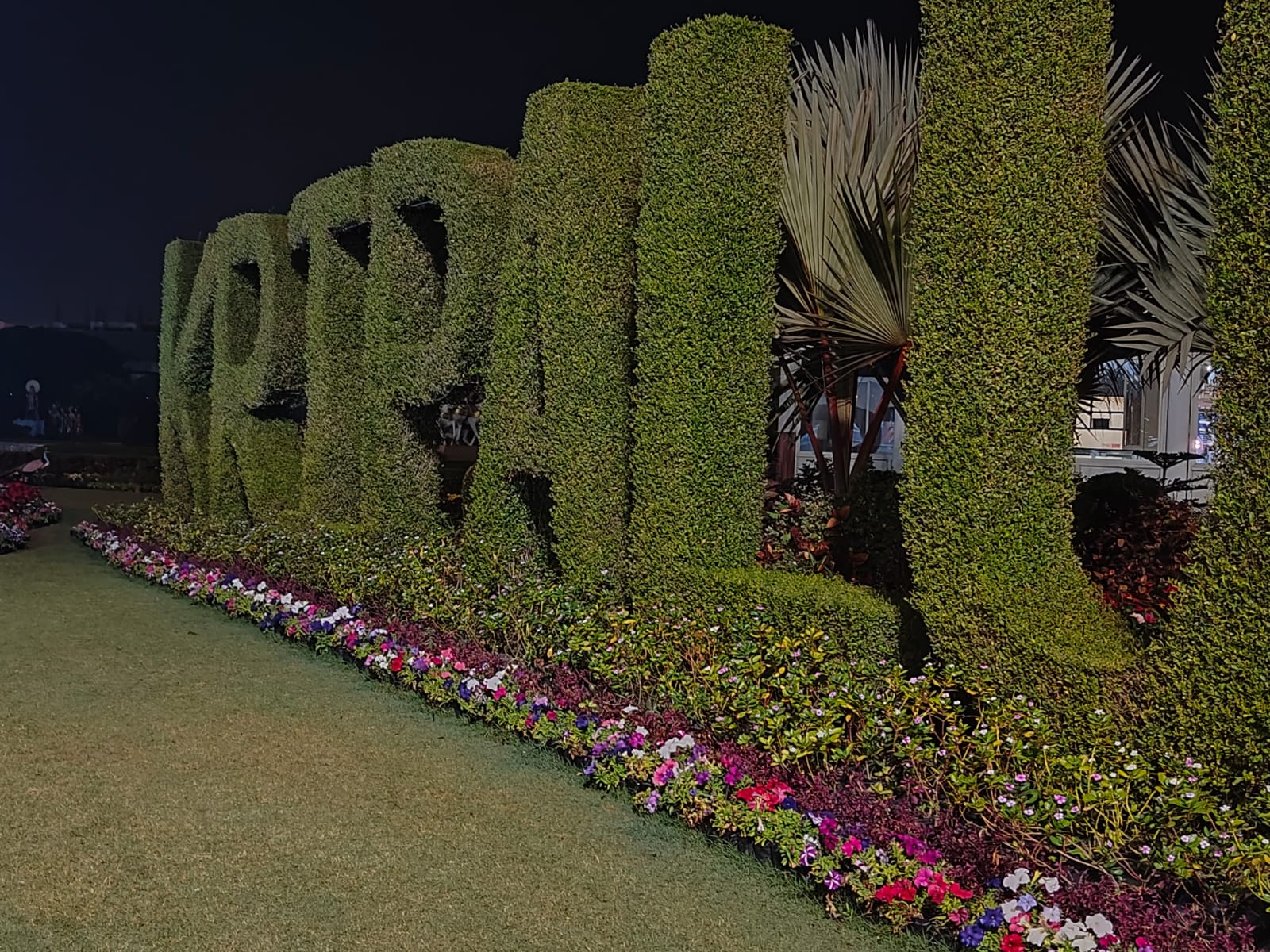
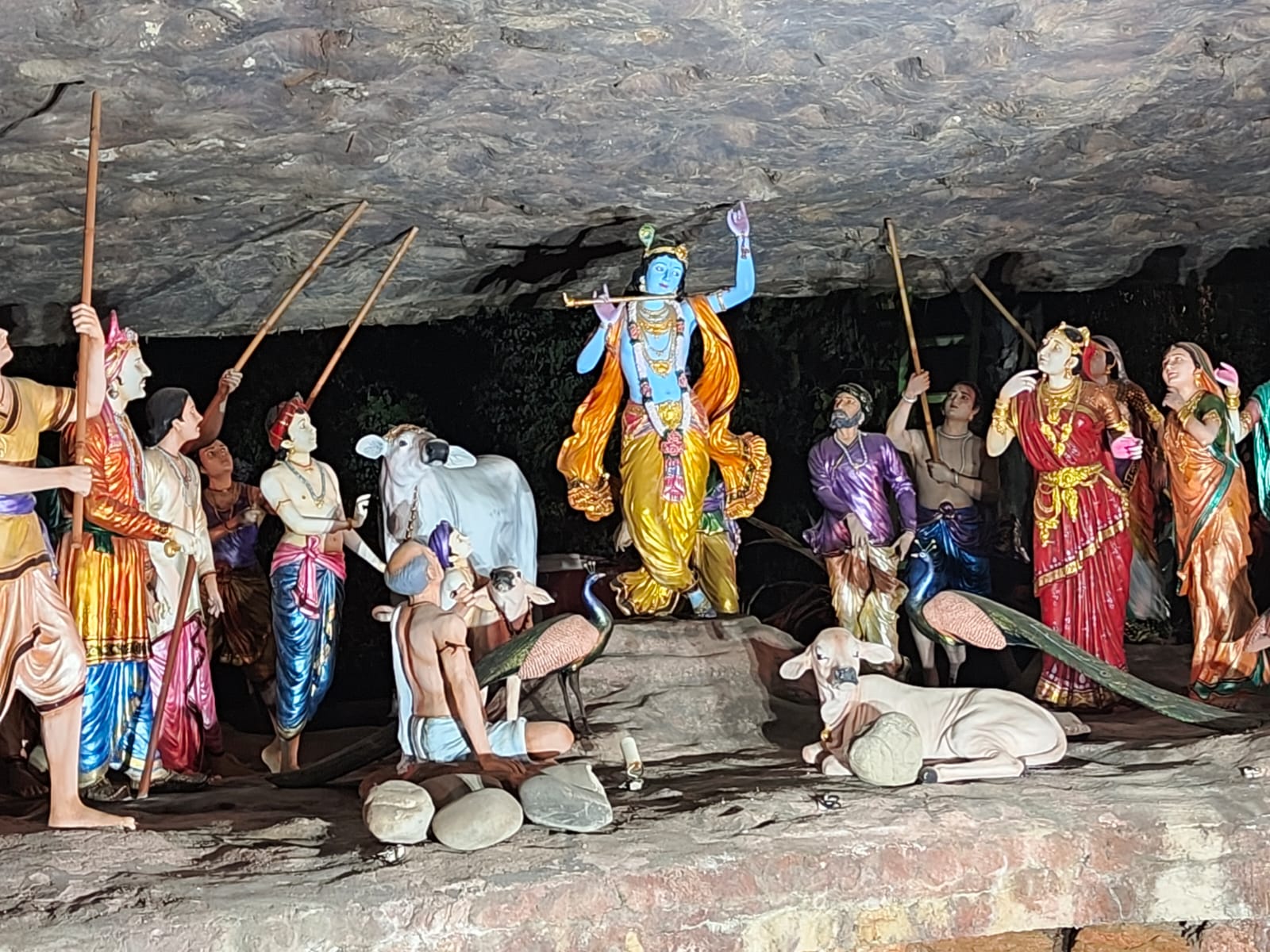
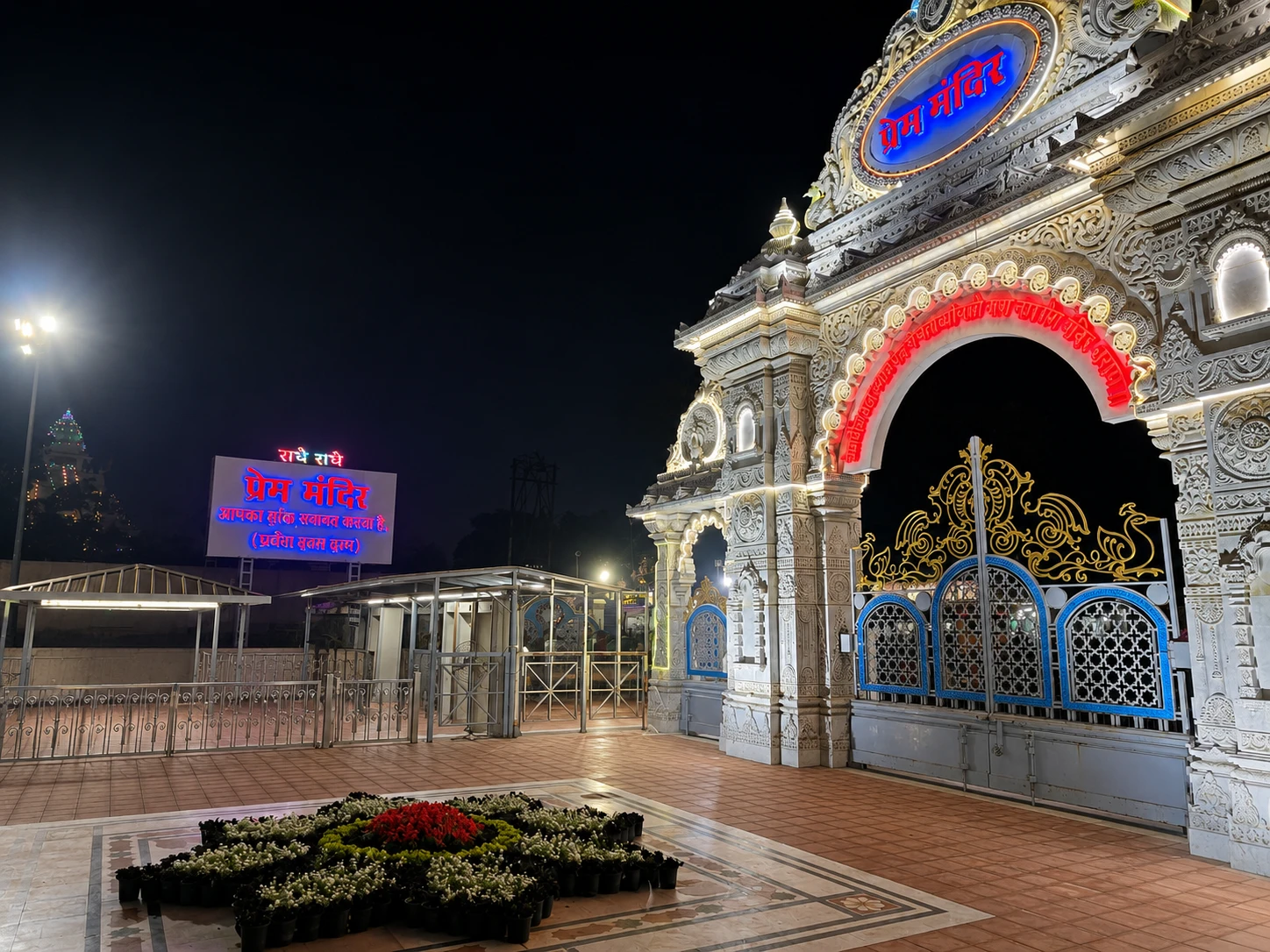
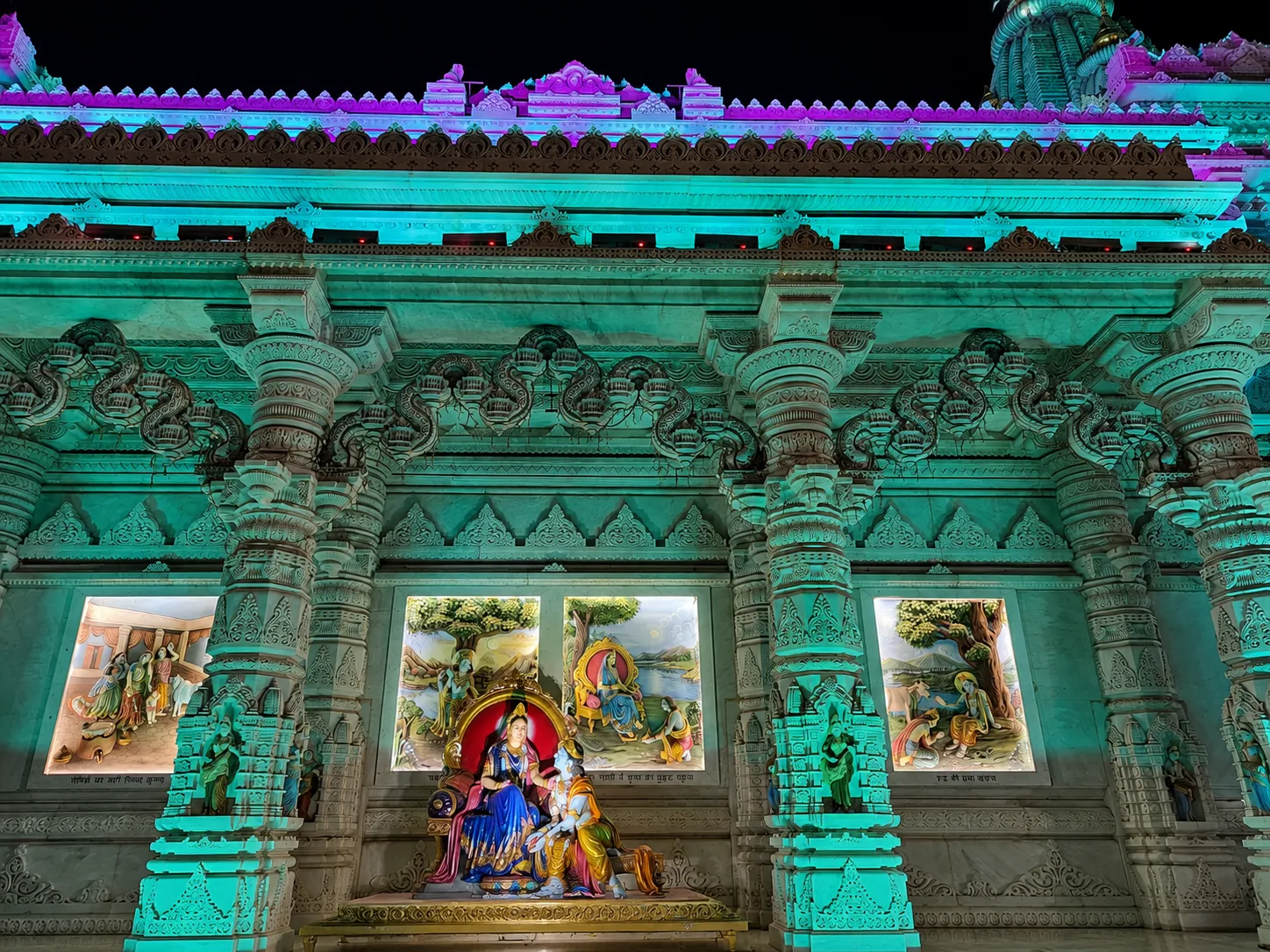
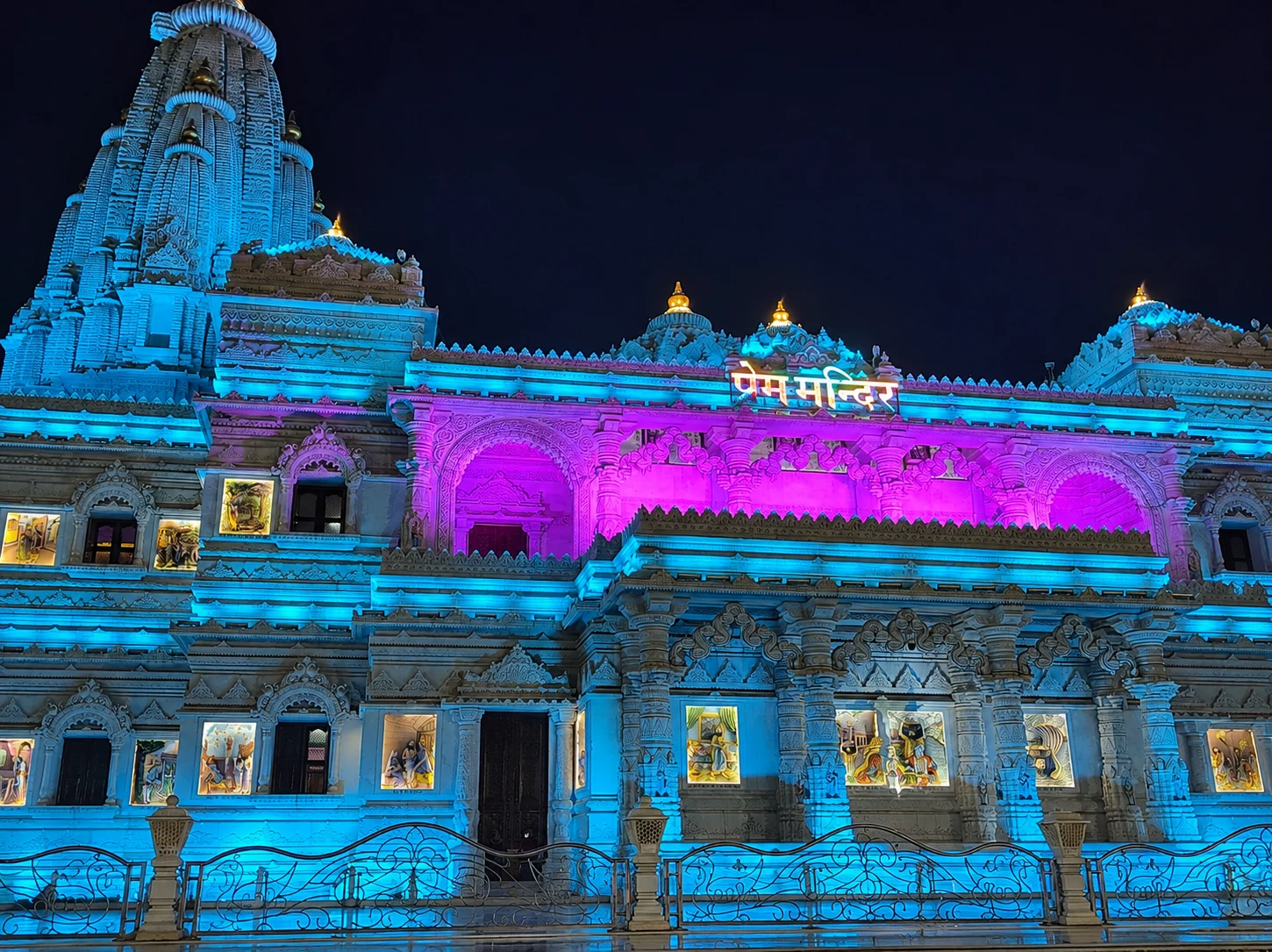
Prem Mandir is dedicated to Radha Krishna. It is known for its beautiful architecture, divine lighting and spiritual ambience that attracts devotees from all over the world.
Prem Mandir, located in Vrindavan, Uttar Pradesh, is a magnificent temple dedicated to Lord Krishna and Goddess Radha. It was established by Jagadguru Shri Kripalu Ji Maharaj with the vision of spreading the message of divine love, devotion, and spirituality. The foundation stone was laid in 2001, and after nearly 11 years of construction, the temple was inaugurated on 17 February 2012. Built entirely from exquisite white Italian marble, Prem Mandir is renowned for its intricate carvings, grand architecture, and beautifully illuminated evening displays depicting the divine pastimes of Radha and Krishna.
Significance - Prem Mandir symbolizes pure divine love (Prem Bhakti) and serves as a spiritual destination where devotees seek peace, devotion, and the blessings of Radha-Krishna. The temple beautifully portrays scenes from Lord Krishna's life through artistic sculptures and gardens, inspiring visitors to deepen their faith and experience the essence of love, compassion, and devotion.
Kashi Vishwanath Temple
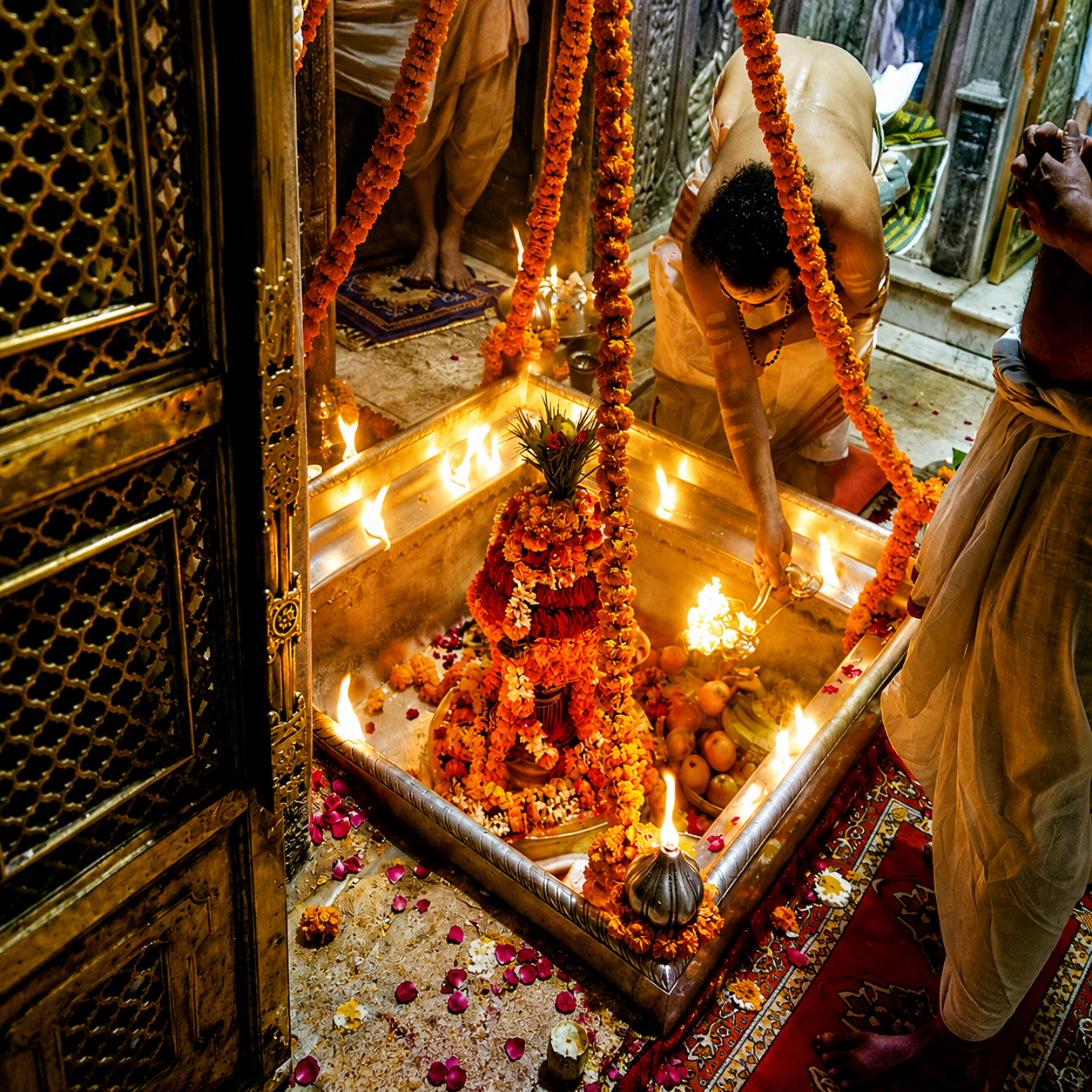
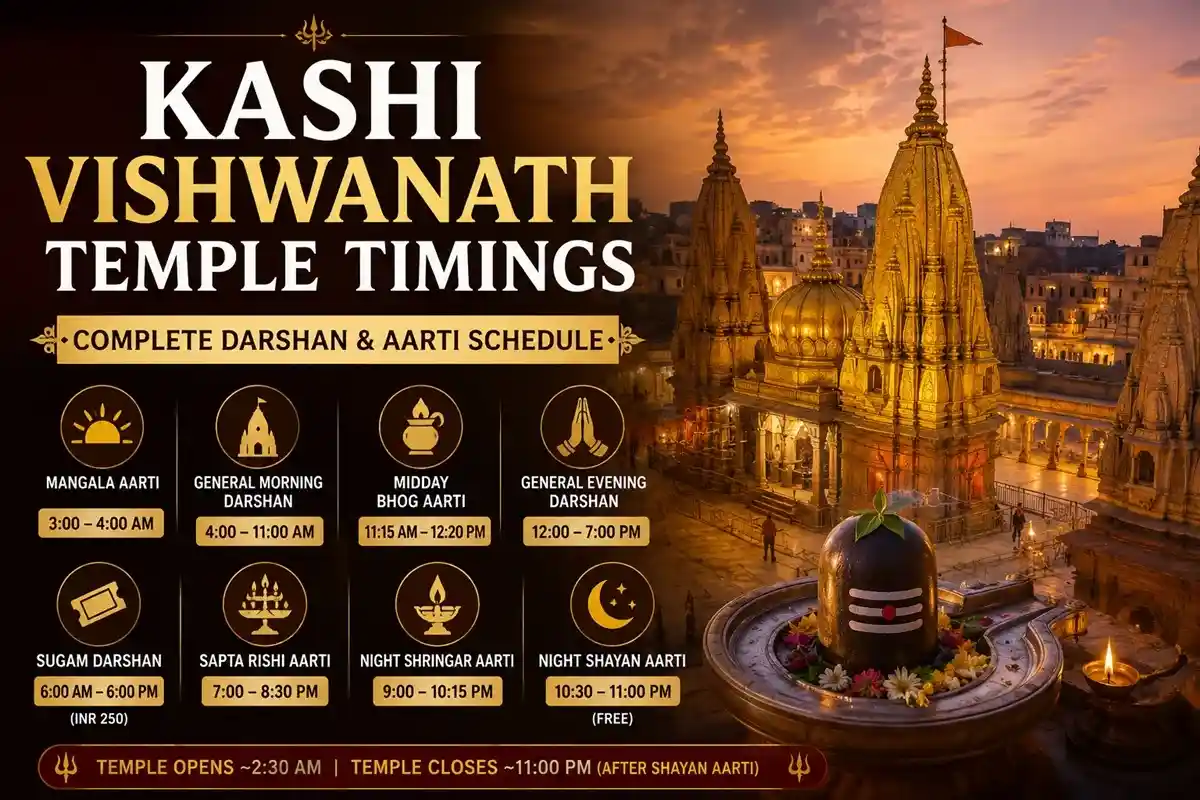
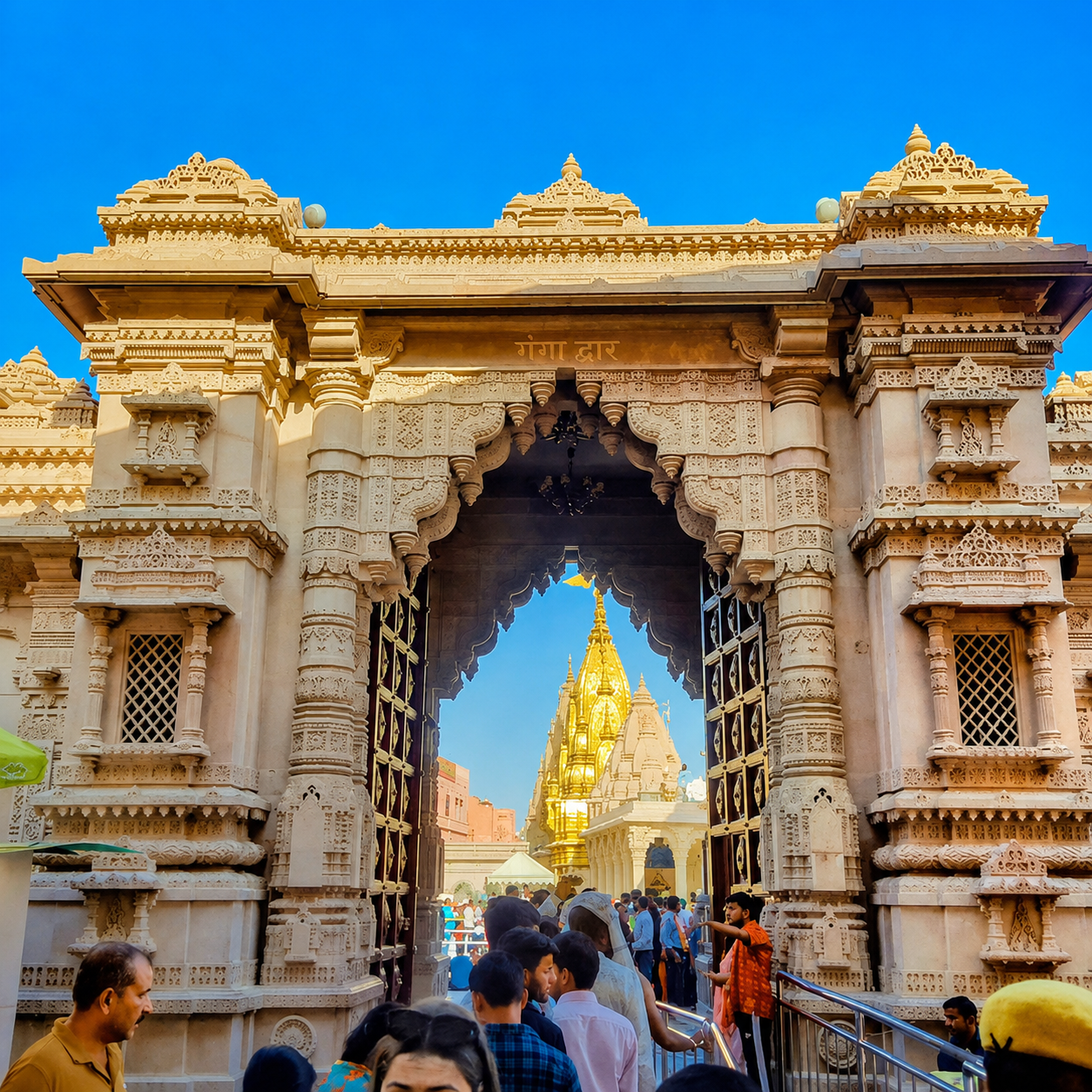
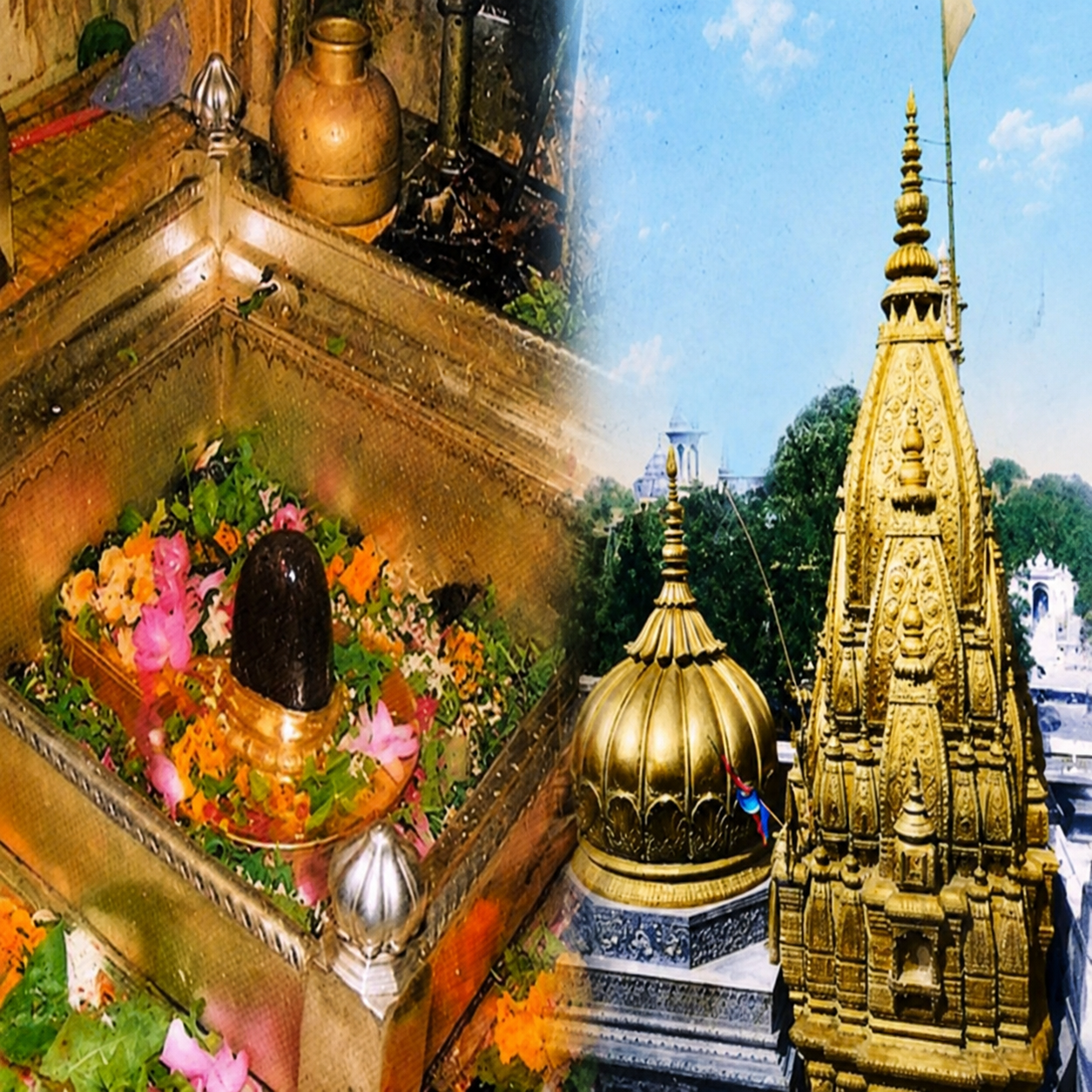
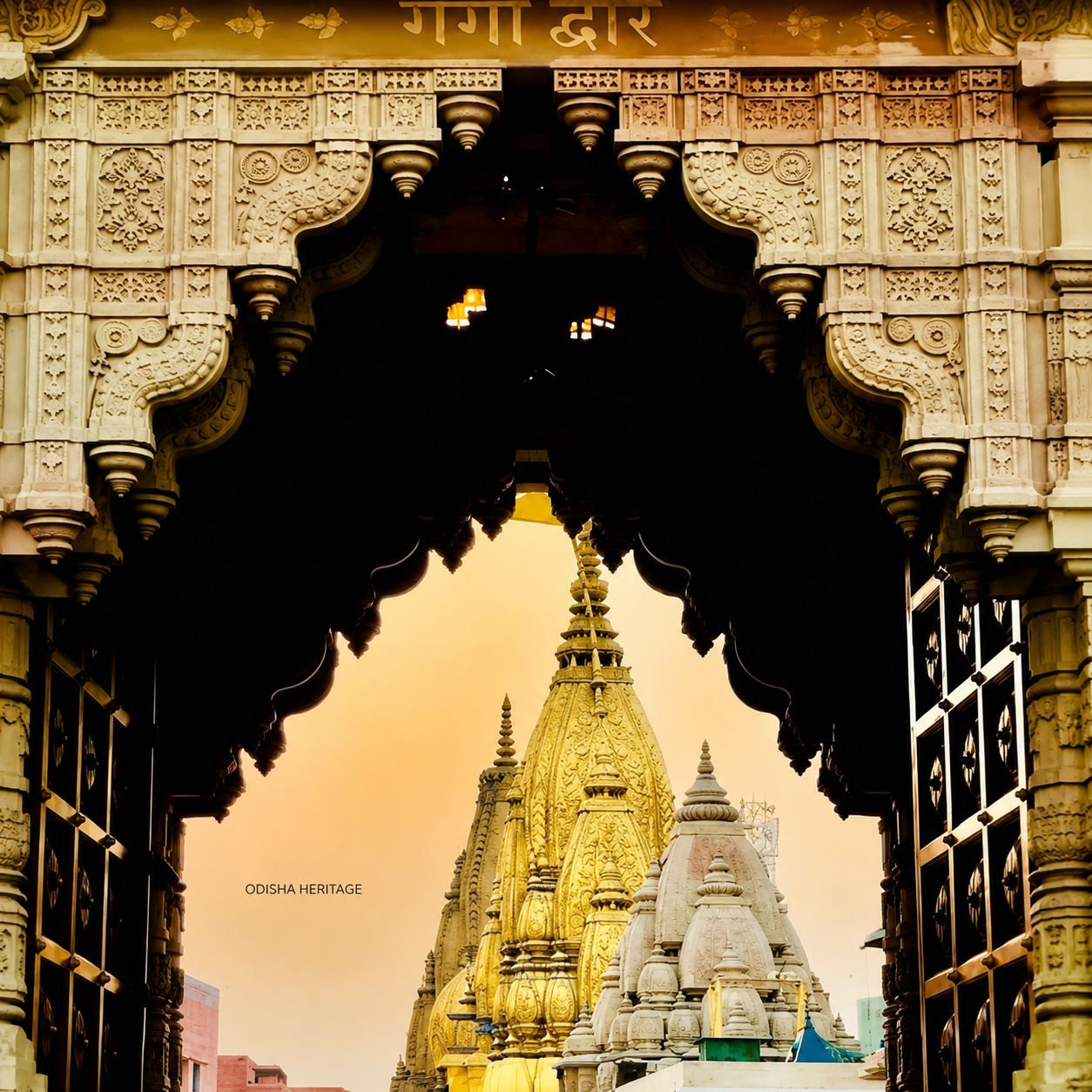
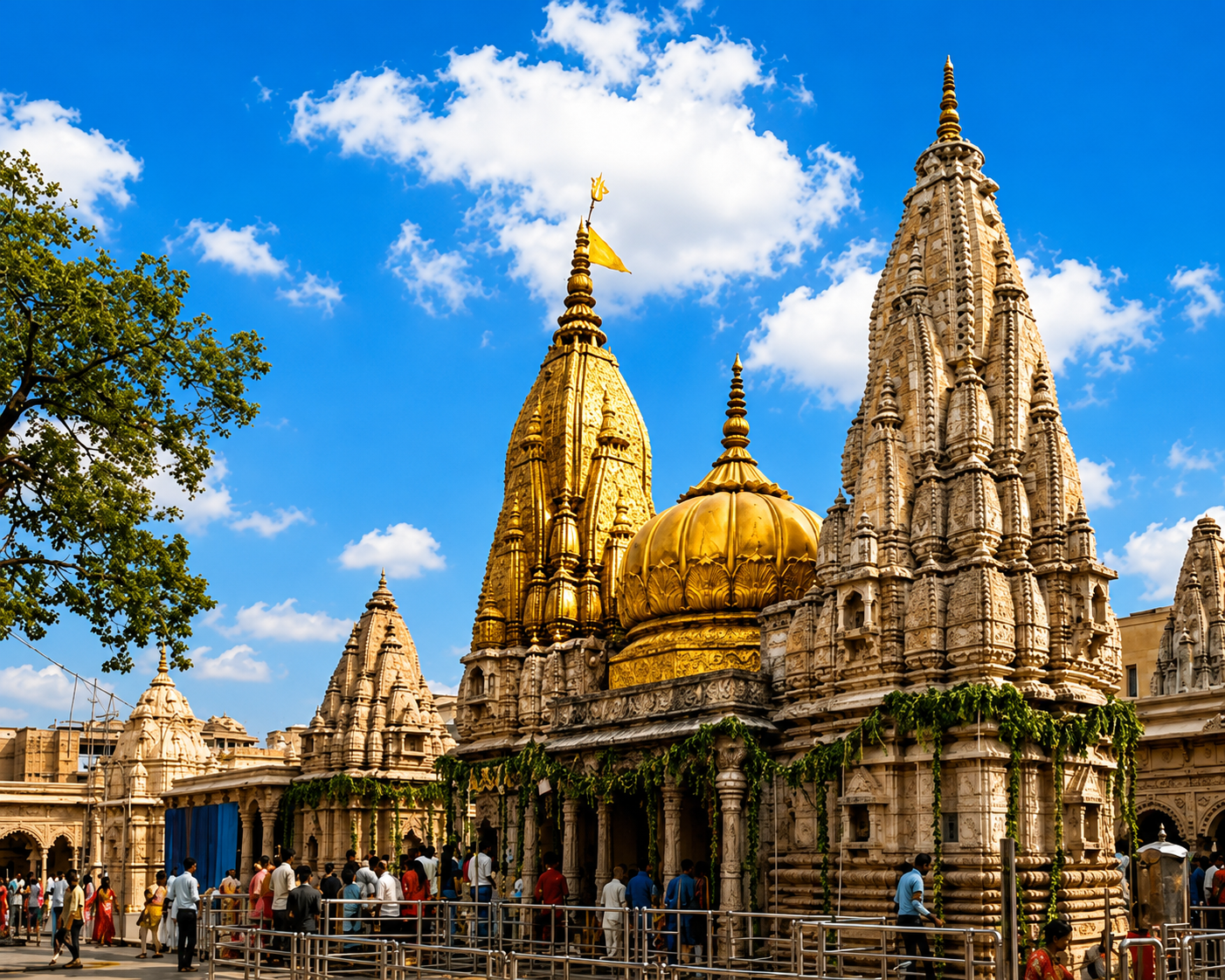
Kashi Vishwanath Temple is one of the most sacred Jyotirlingas of Lord Shiva. It is that visiting this temples grants moksha (Liberation).
Kashi Vishwanath Temple, located in Varanasi, Uttar Pradesh, is one of the 12 sacred Jyotirlingas of Lord Shiva. The temple has ancient origins and is mentioned in Hindu scriptures. After being rebuilt several times throughout history, the present temple was reconstructed in 1780 by Maharani Ahilyabai Holkar and remains one of India's most revered pilgrimage sites.SignificanceDedicated to Lord Shiva as Vishwanath (Lord of the Universe), the temple is believed to bless devotees with peace, prosperity, and Moksha (liberation). Every year, millions of pilgrims visit Kashi Vishwanath to seek divine blessings and experience the spiritual essence of the holy city of Varanasi.
Somnath Temple
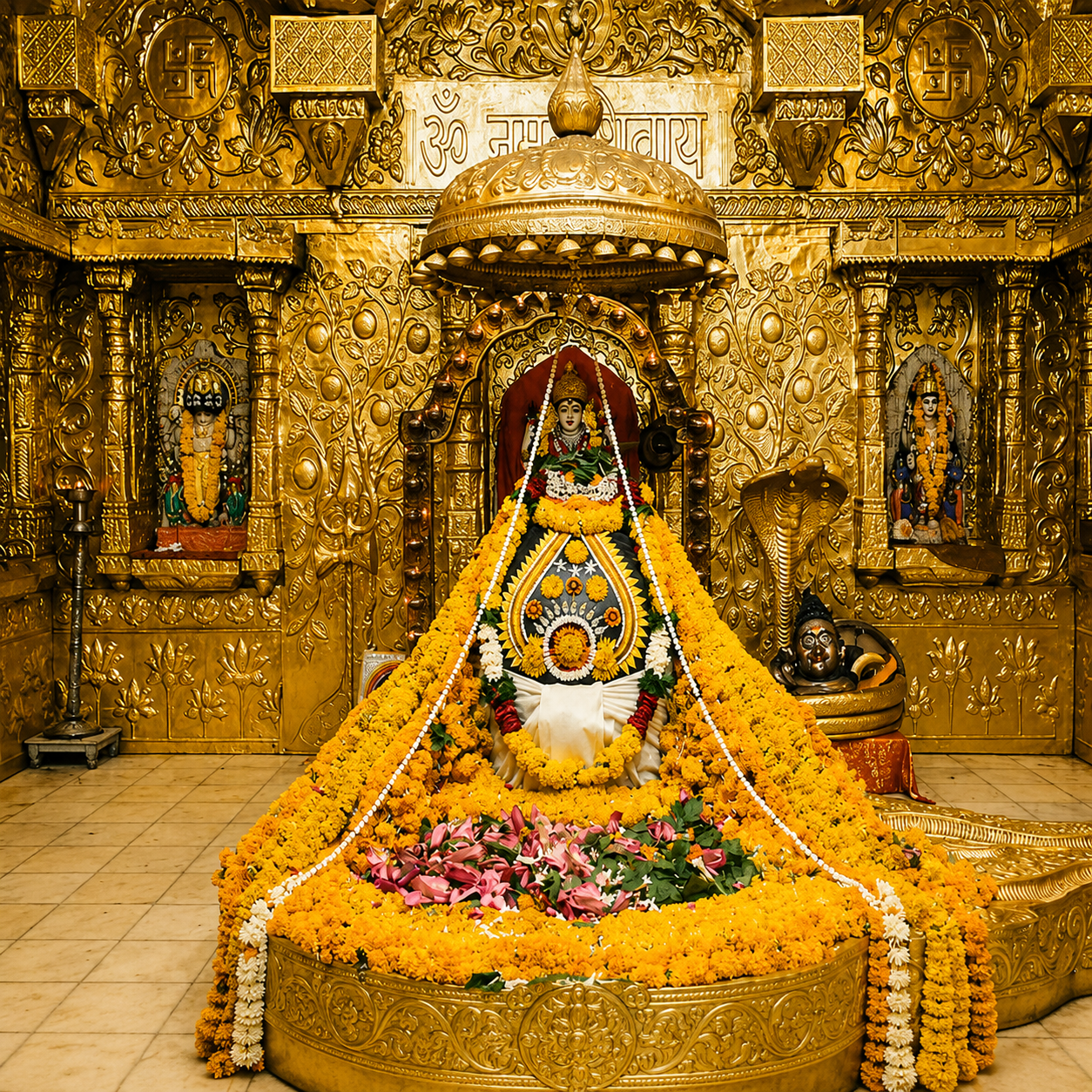
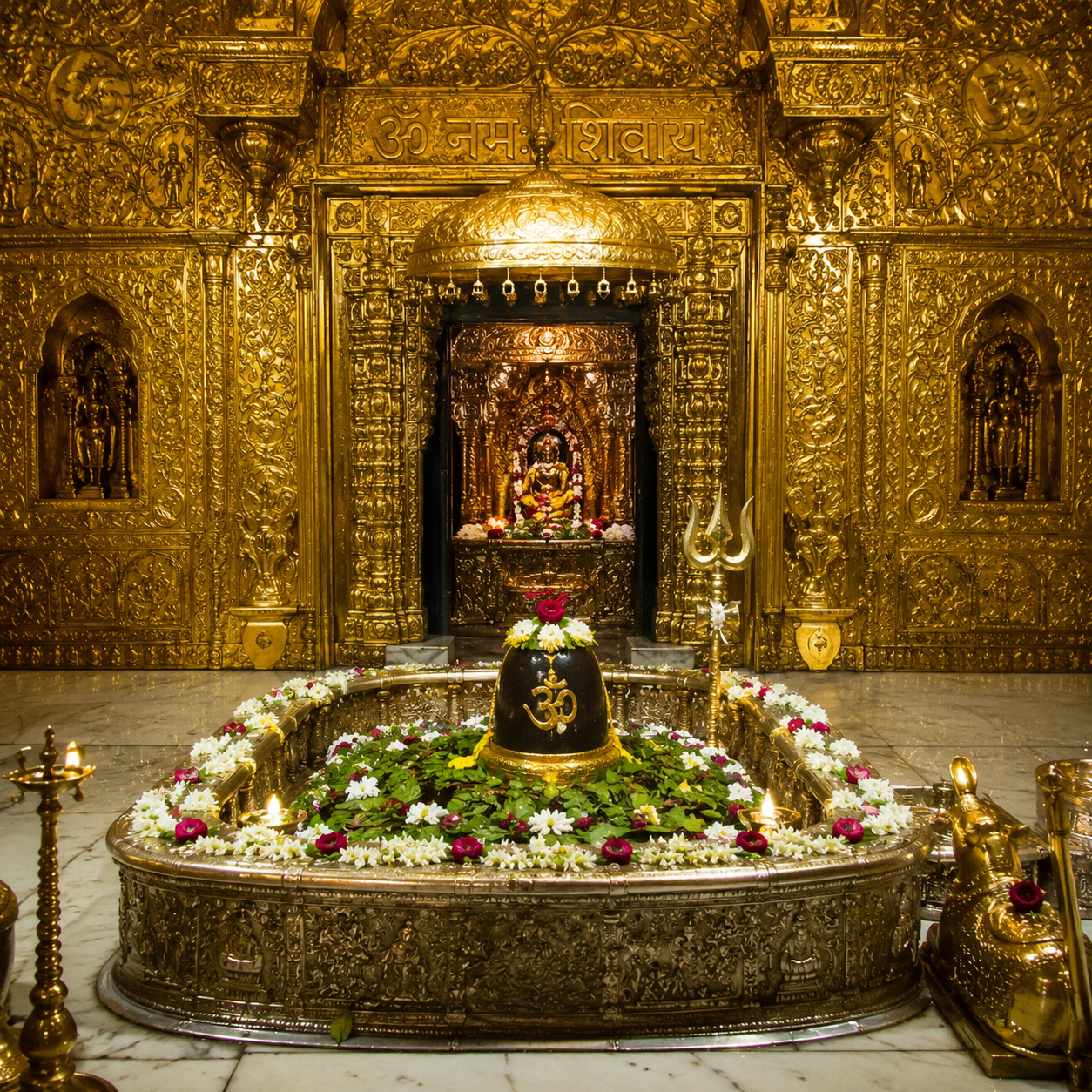
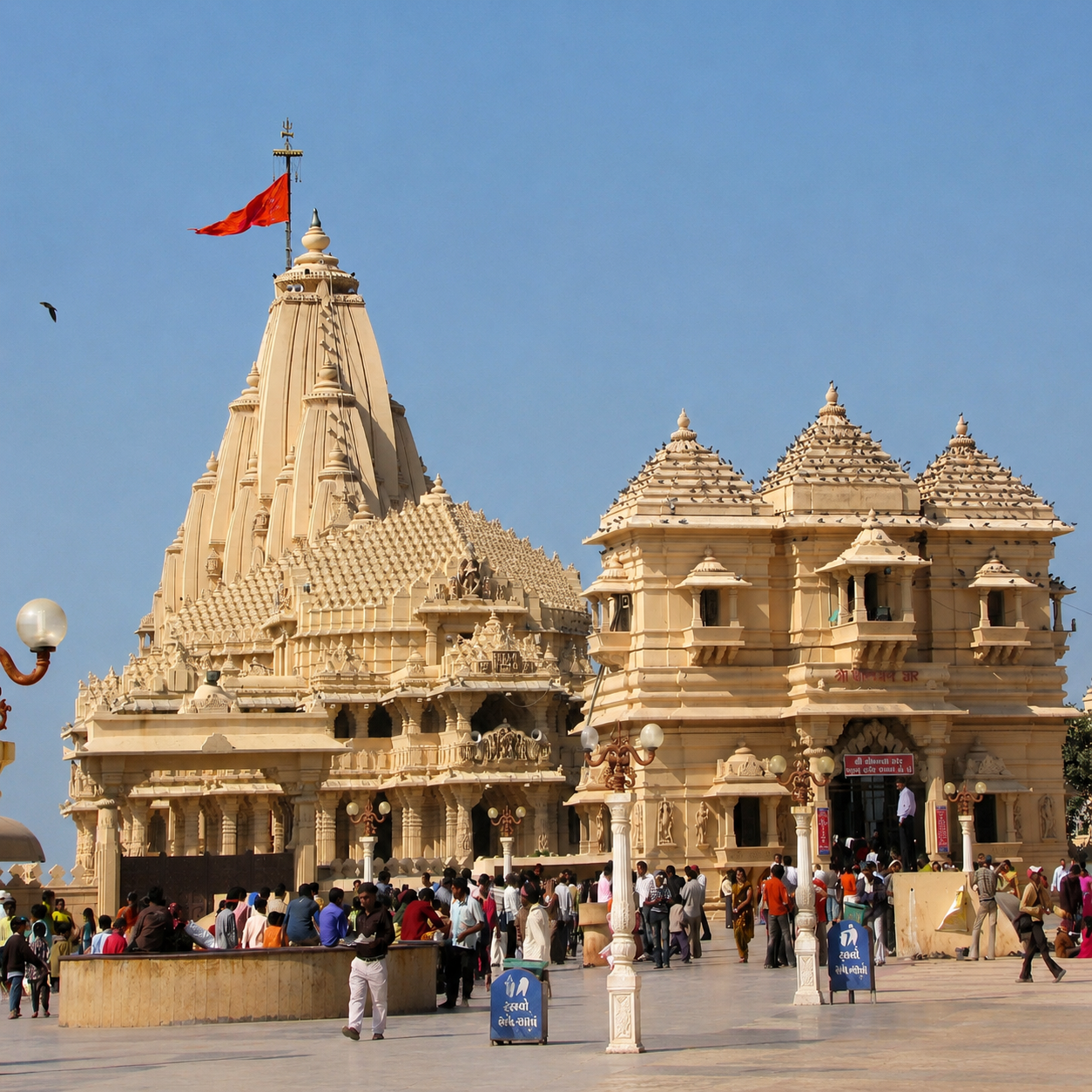
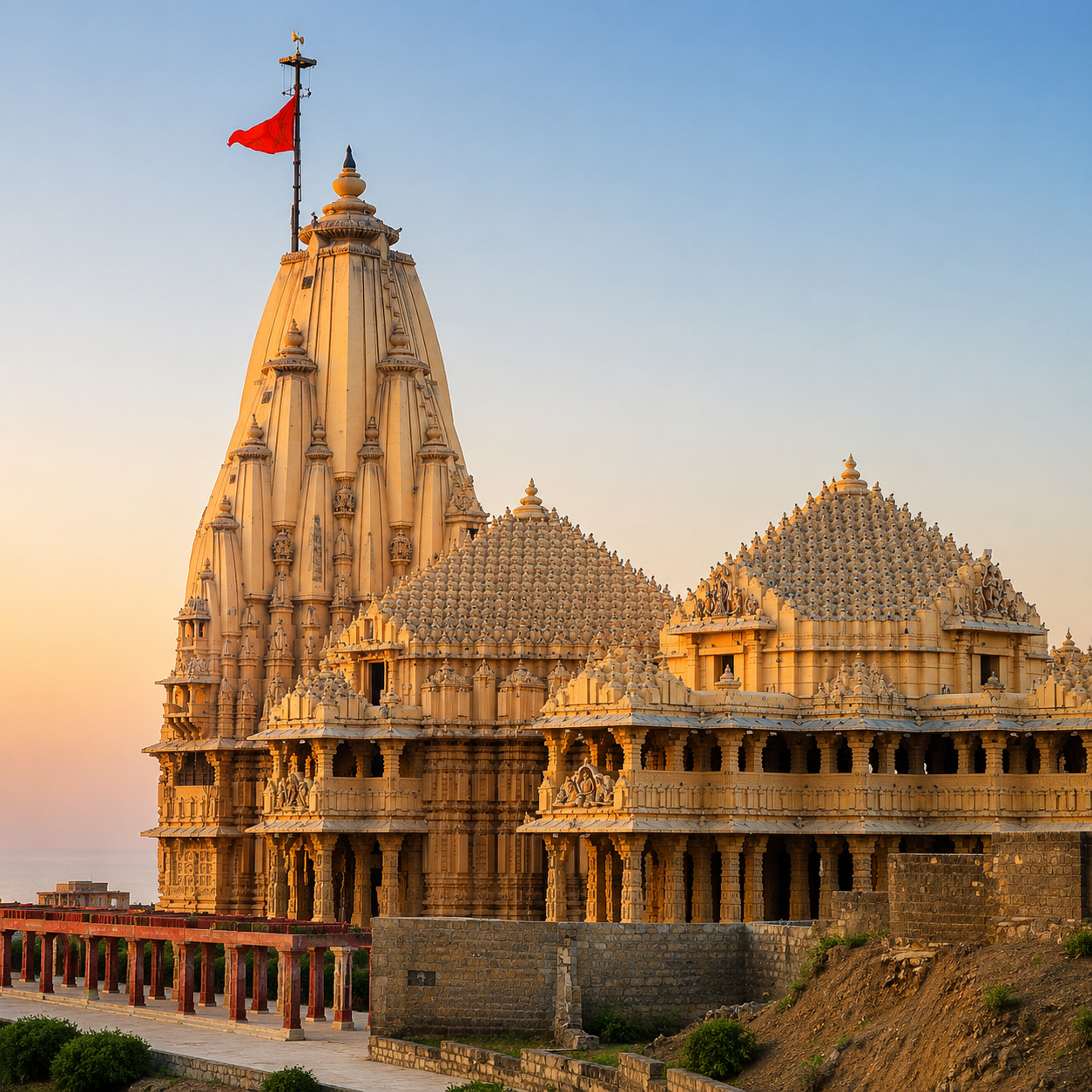
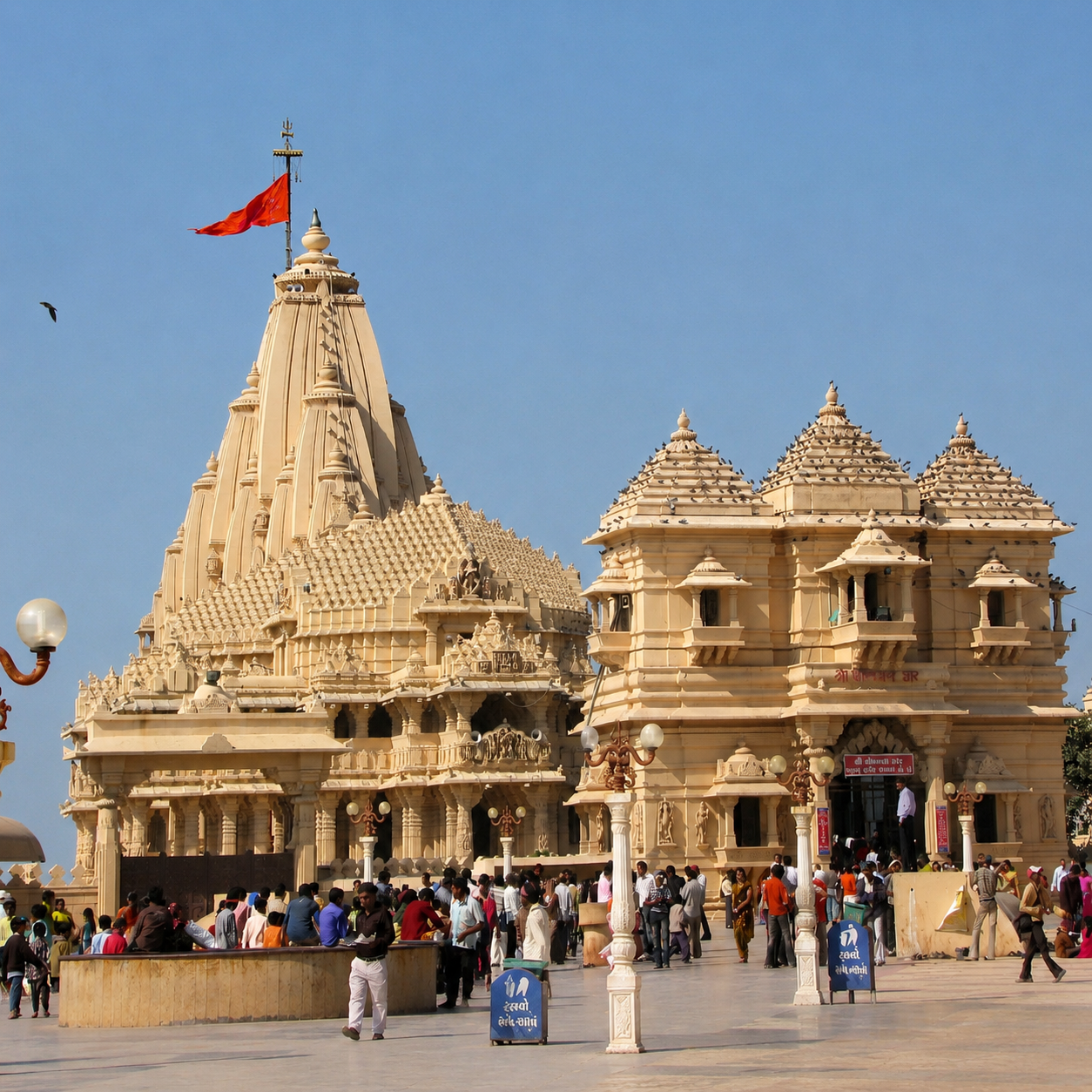
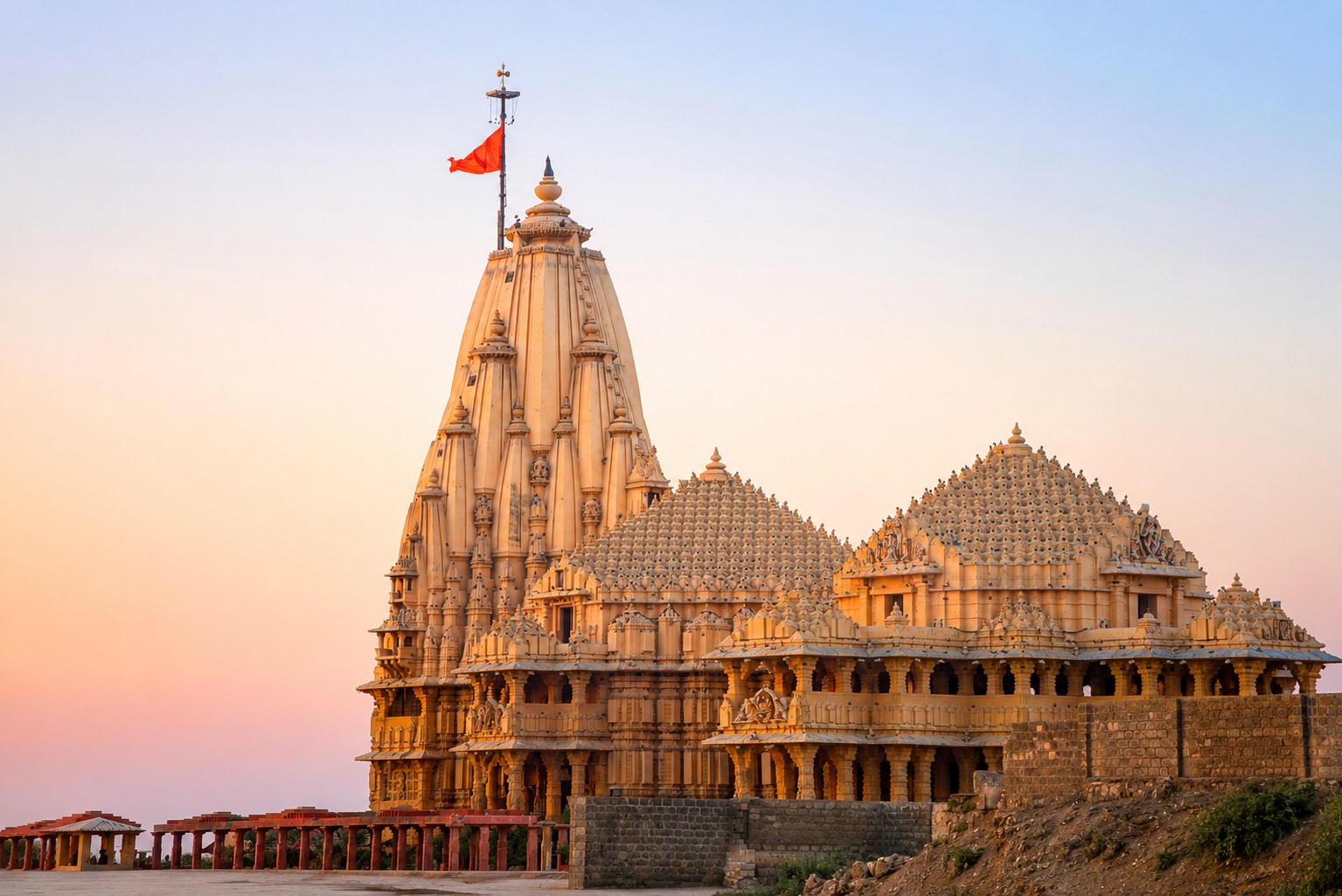
Somnath Temple is the first among the 12 Jyotirlingas of Lord Shiva. It has been rebuilt several times and stands as a symbol of faith and devotion.
Somnath Temple, located in Prabhas Patan, Gujarat, is the first among the 12 Jyotirlingas of Lord Shiva. According to Hindu tradition, it was originally established by Chandra Dev (the Moon God). The temple has been destroyed and rebuilt several times throughout history and was finally reconstructed after India's independence under the initiative of Sardar Vallabhbhai Patel.SignificanceDedicated to Lord Somnath, the Lord of the Moon, the temple symbolizes faith, resilience, and devotion. It is one of the most sacred pilgrimage sites in Hinduism, attracting millions of devotees every year who seek Lord Shiva's blessings for peace, prosperity, and spiritual well-being.
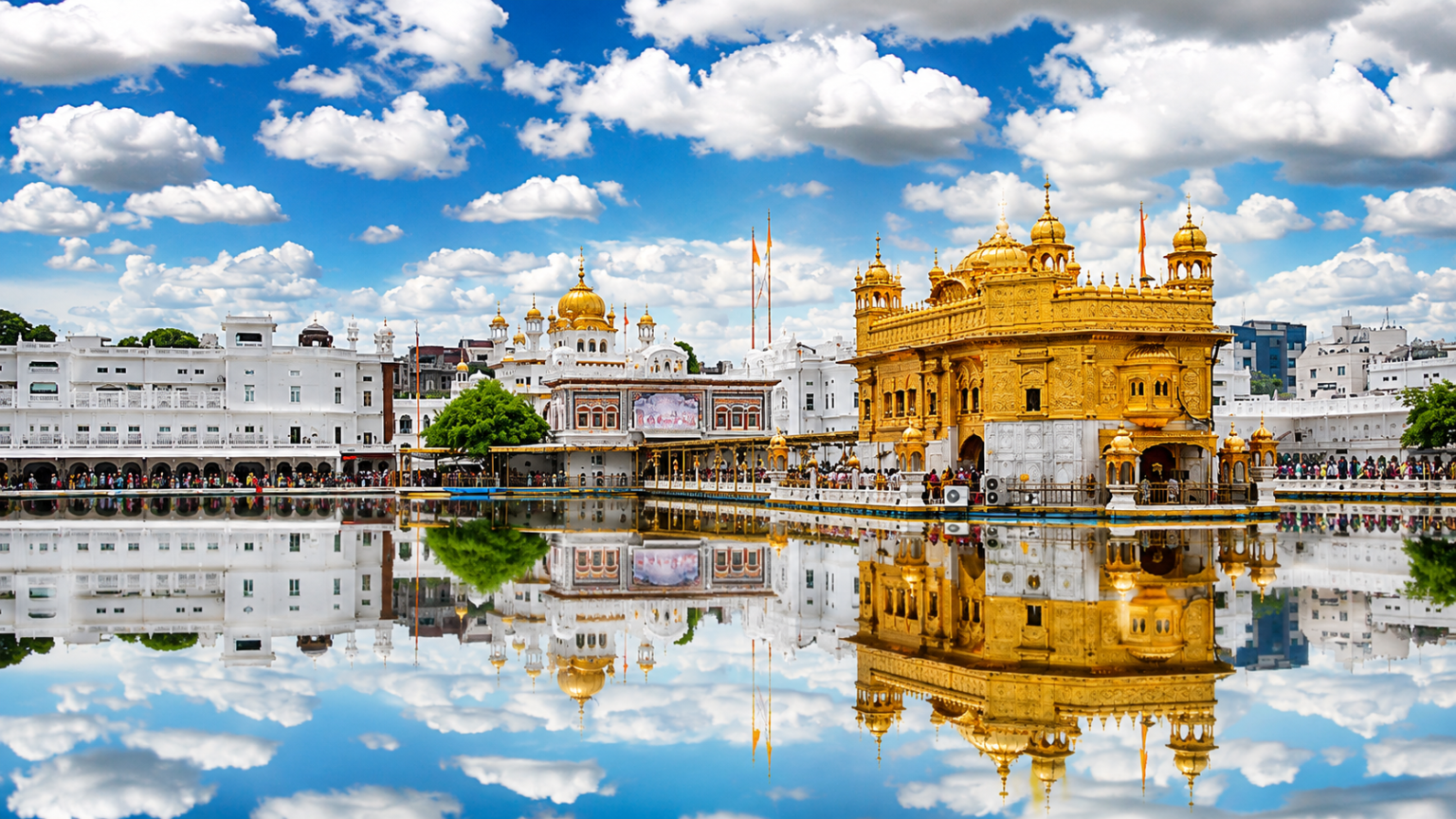
Golden Temple (Harmandir Sahib)
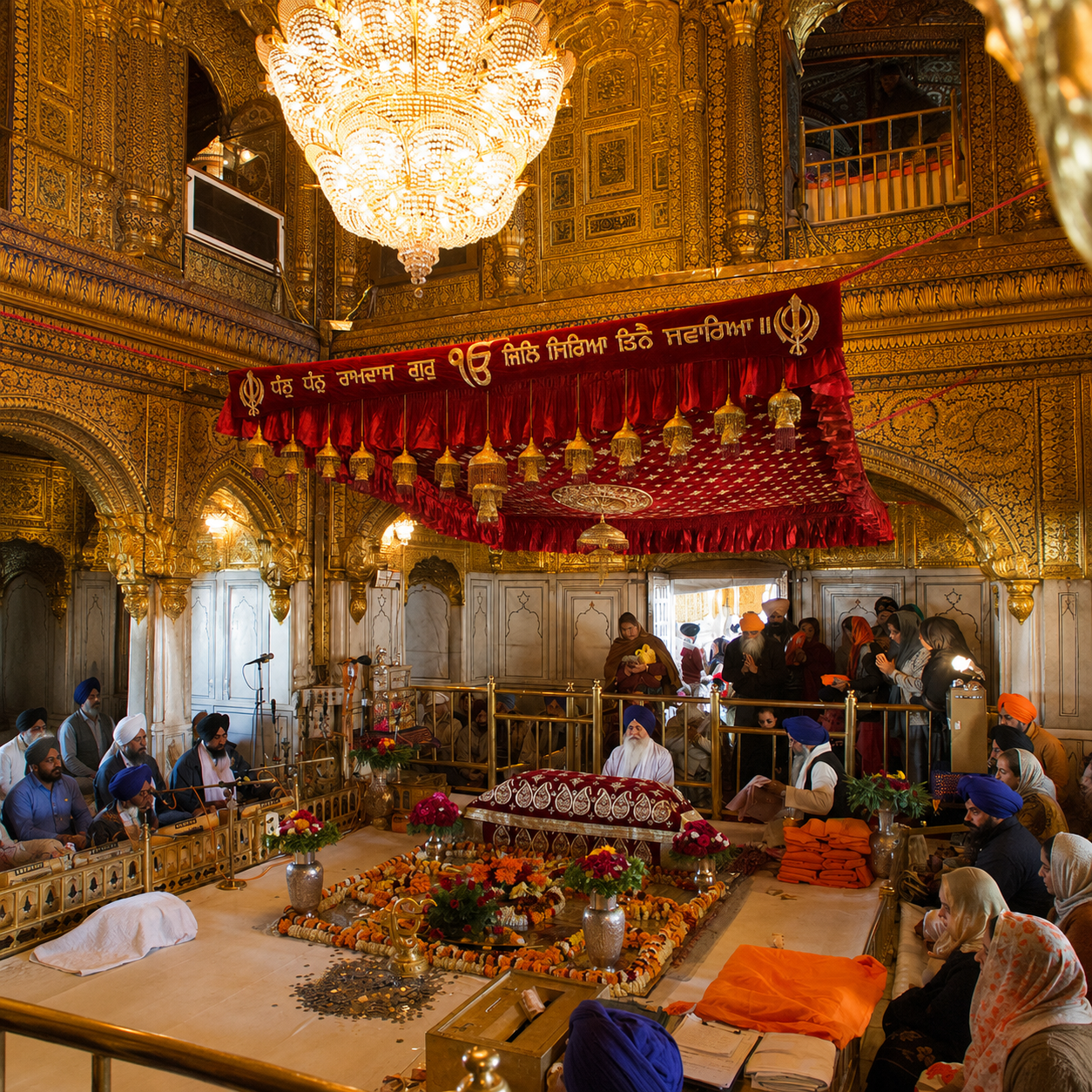
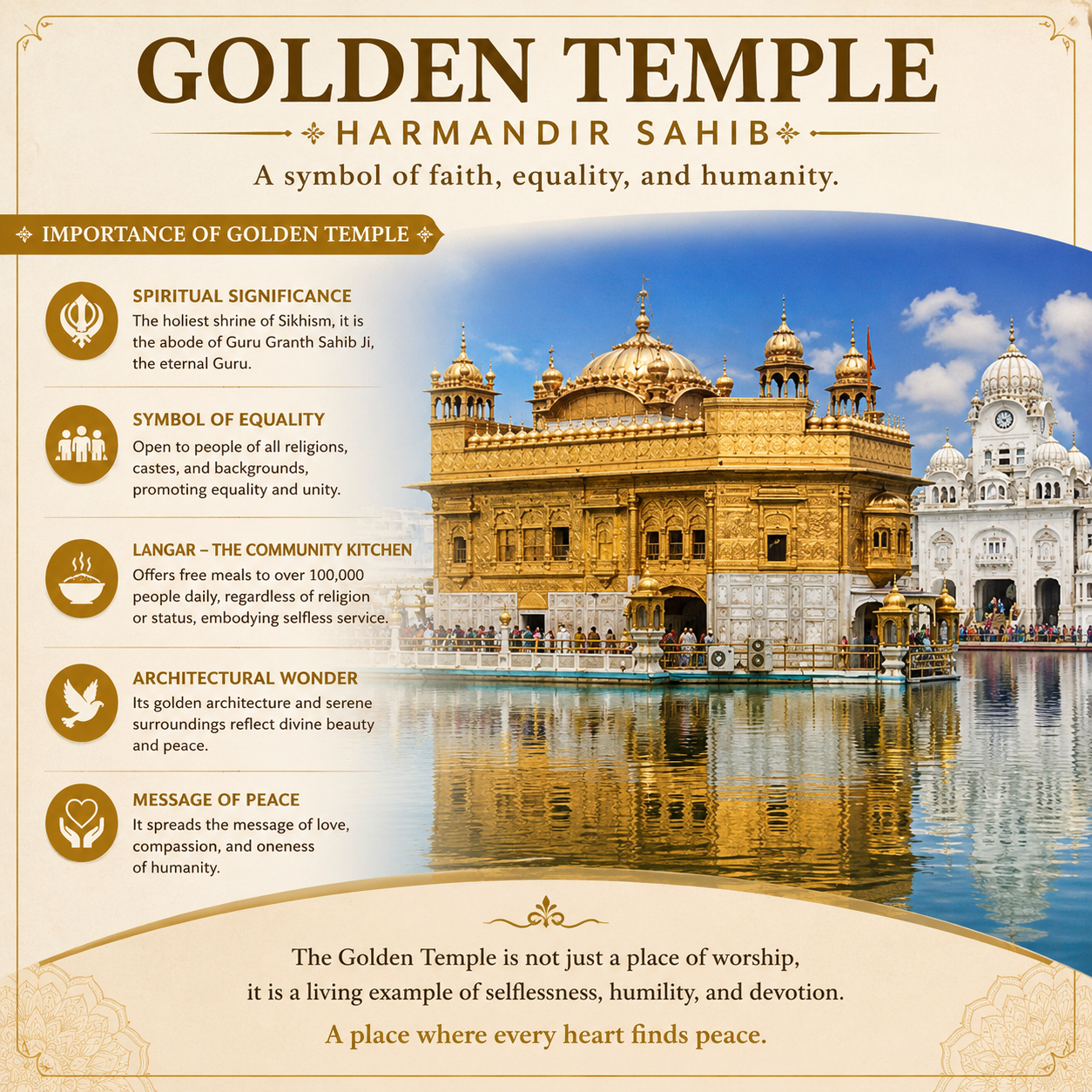
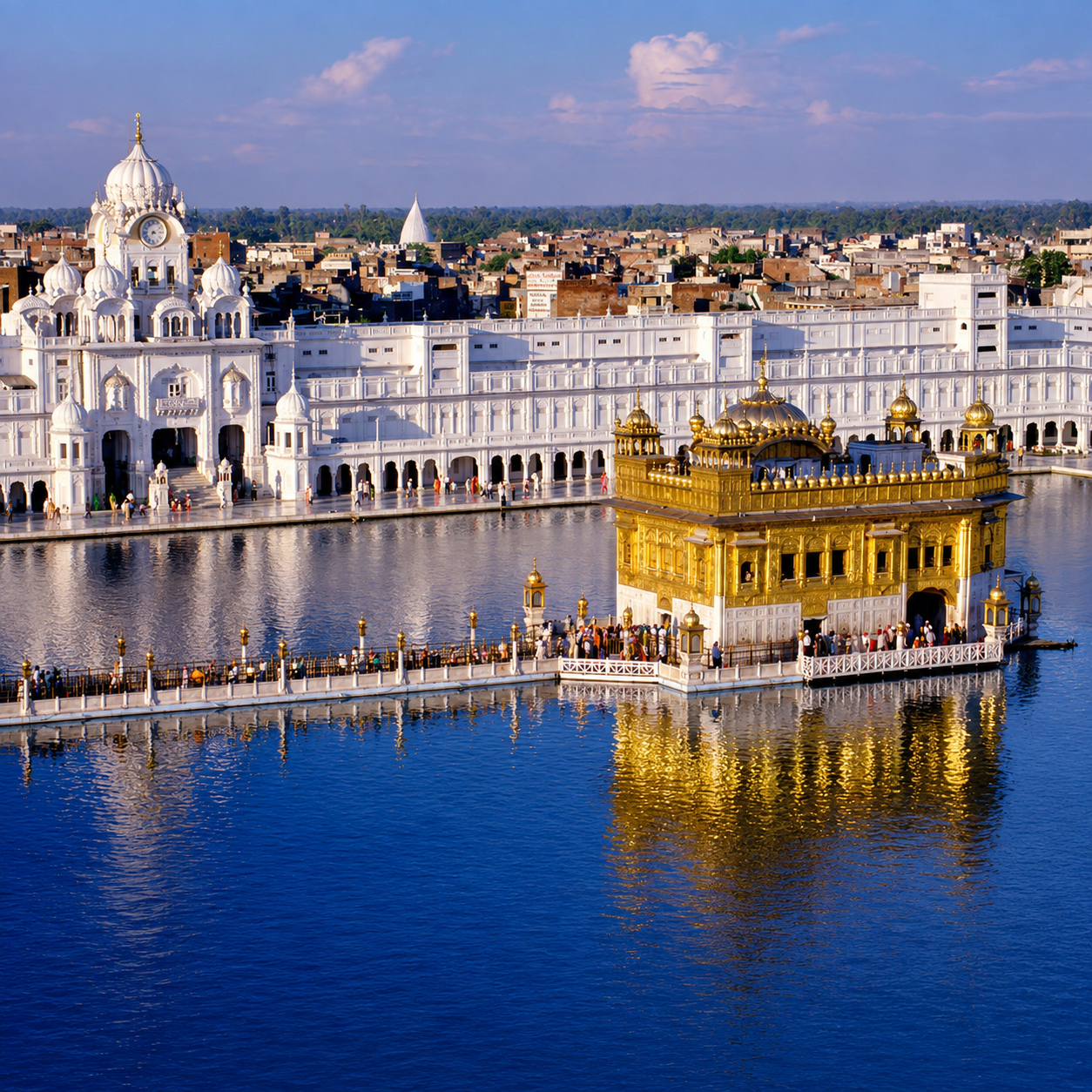
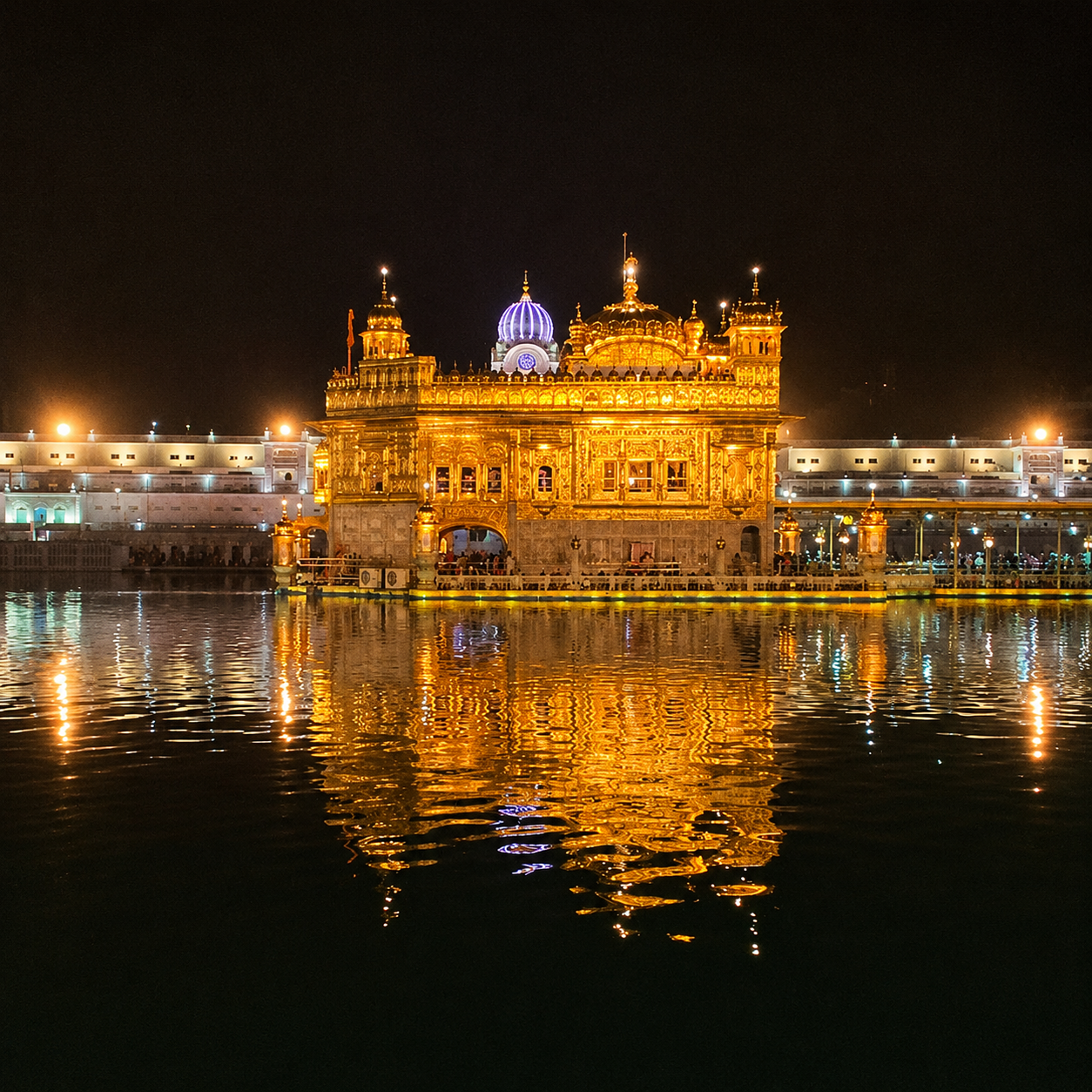
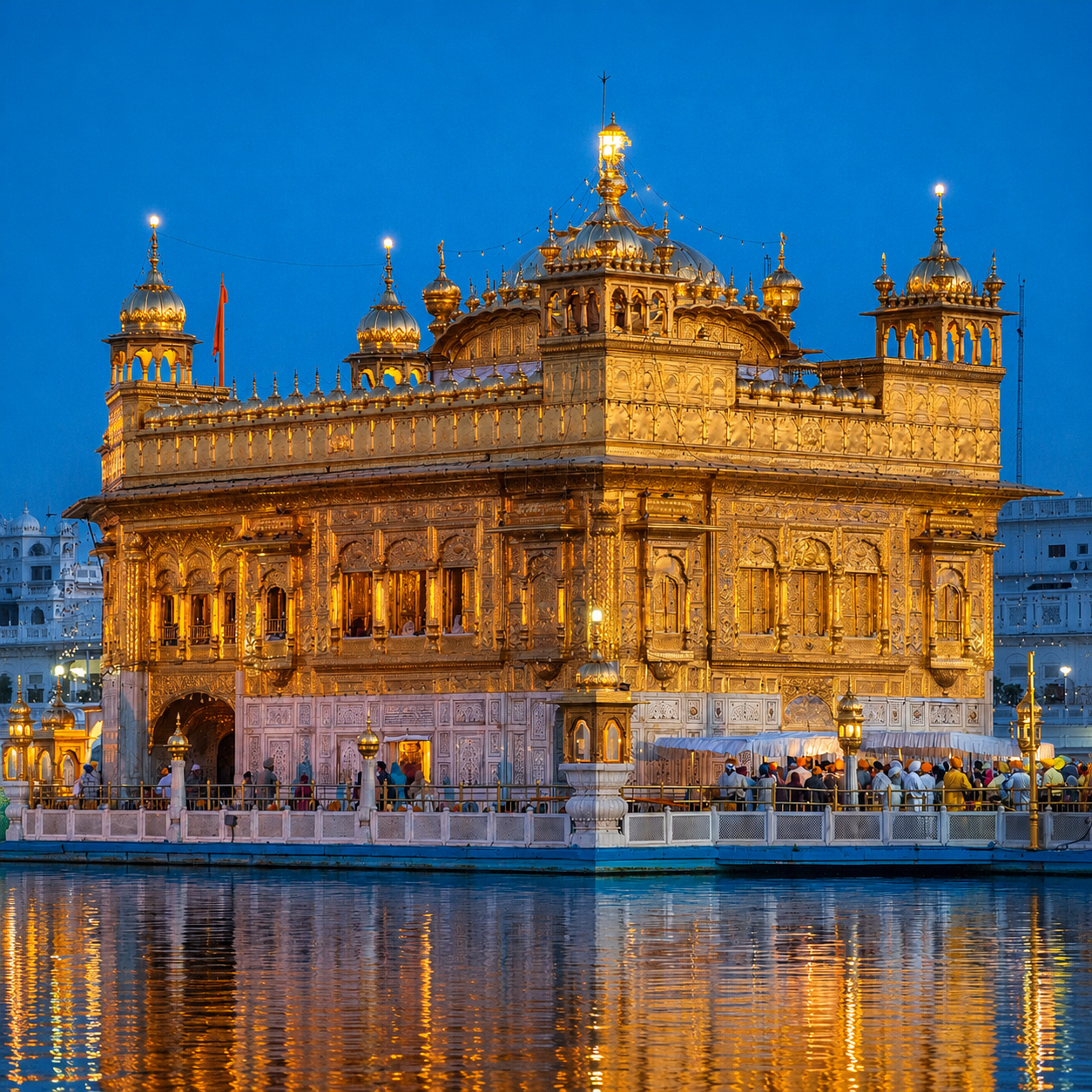
The Holiest Sikh gurudwara and a symbol of equality, humility and selfless service. It welcomes people from all religions.
The Golden Temple, also known as Sri Harmandir Sahib or Darbar Sahib, is the most sacred shrine of Sikhism, located in Amritsar, Punjab.Its foundation was laid in 1588 during the time of Guru Arjan Dev Ji, the fifth Sikh Guru. The temple was built with four entrances, symbolizing equality and openness to everyone. In 1604, Guru Arjan Dev Ji installed the Adi Granth inside the shrine, with Baba Buddha Ji as its first granthi.After suffering several attacks in the 18th century, the temple was rebuilt and later beautified under Maharaja Ranjit Singh, who had its upper structure covered with gold. Today, the Golden Temple stands as a powerful symbol of equality, devotion, peace, humility, and selfless service.
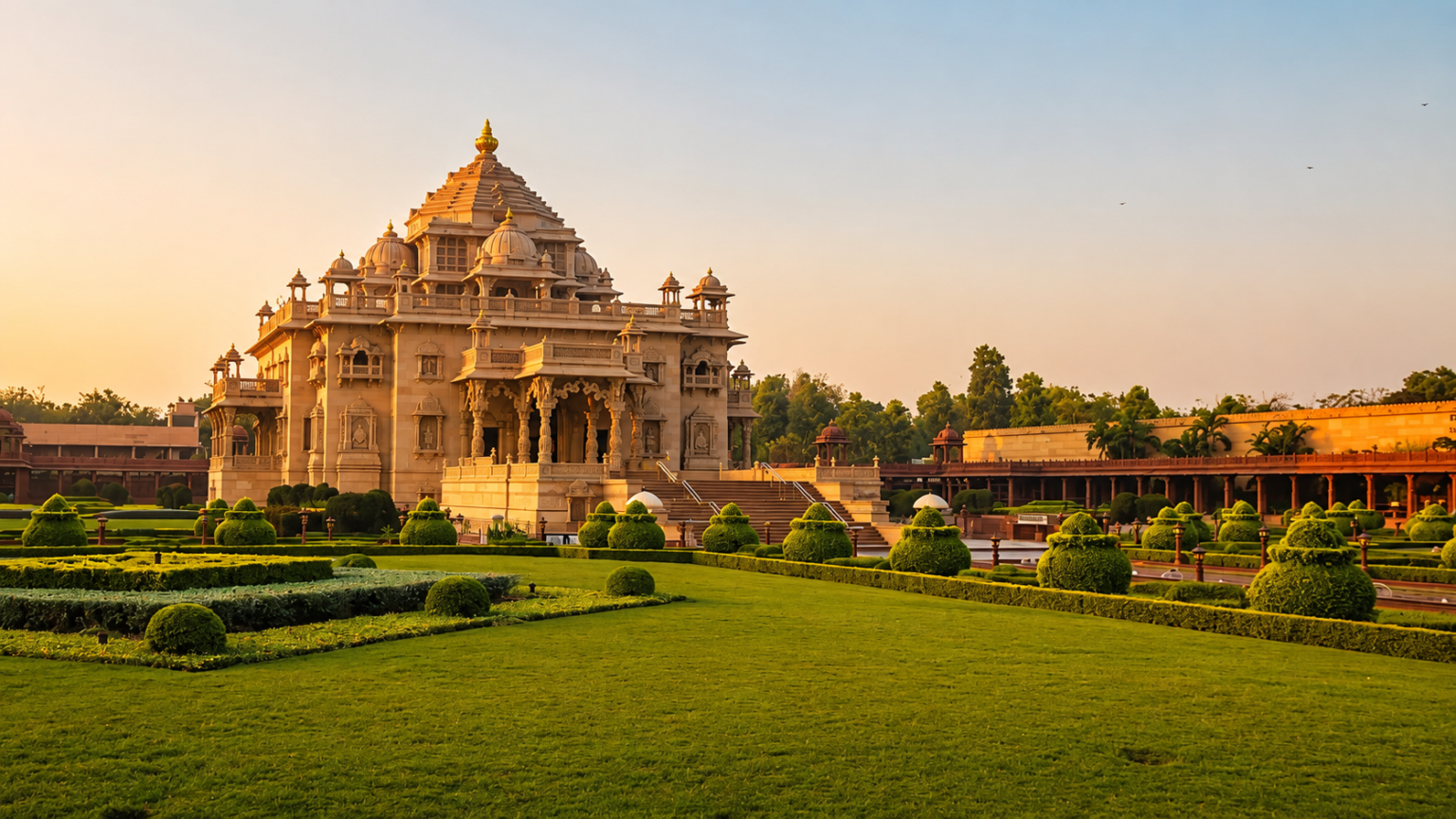
BAPS Swaminarayan Akshardham Temple
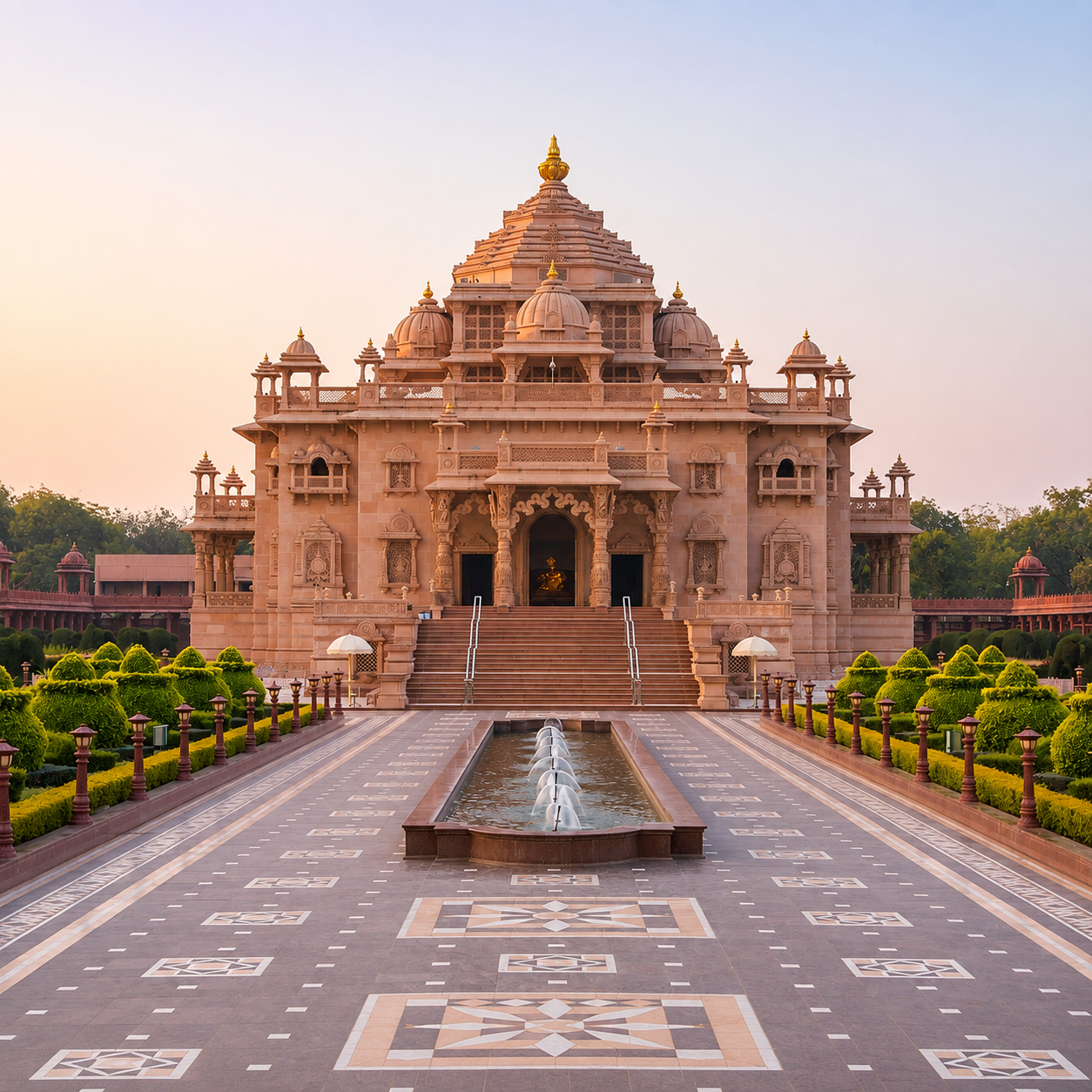
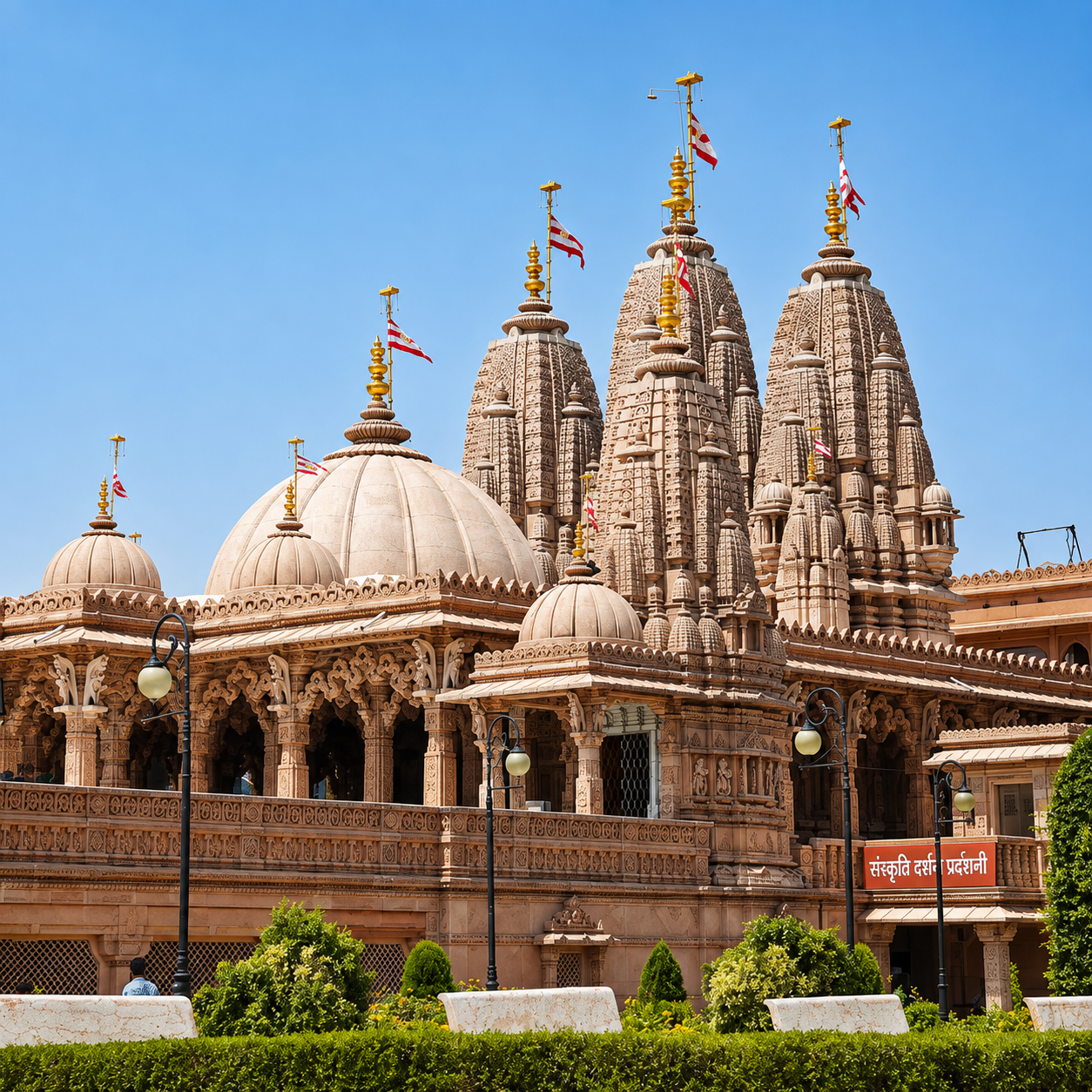
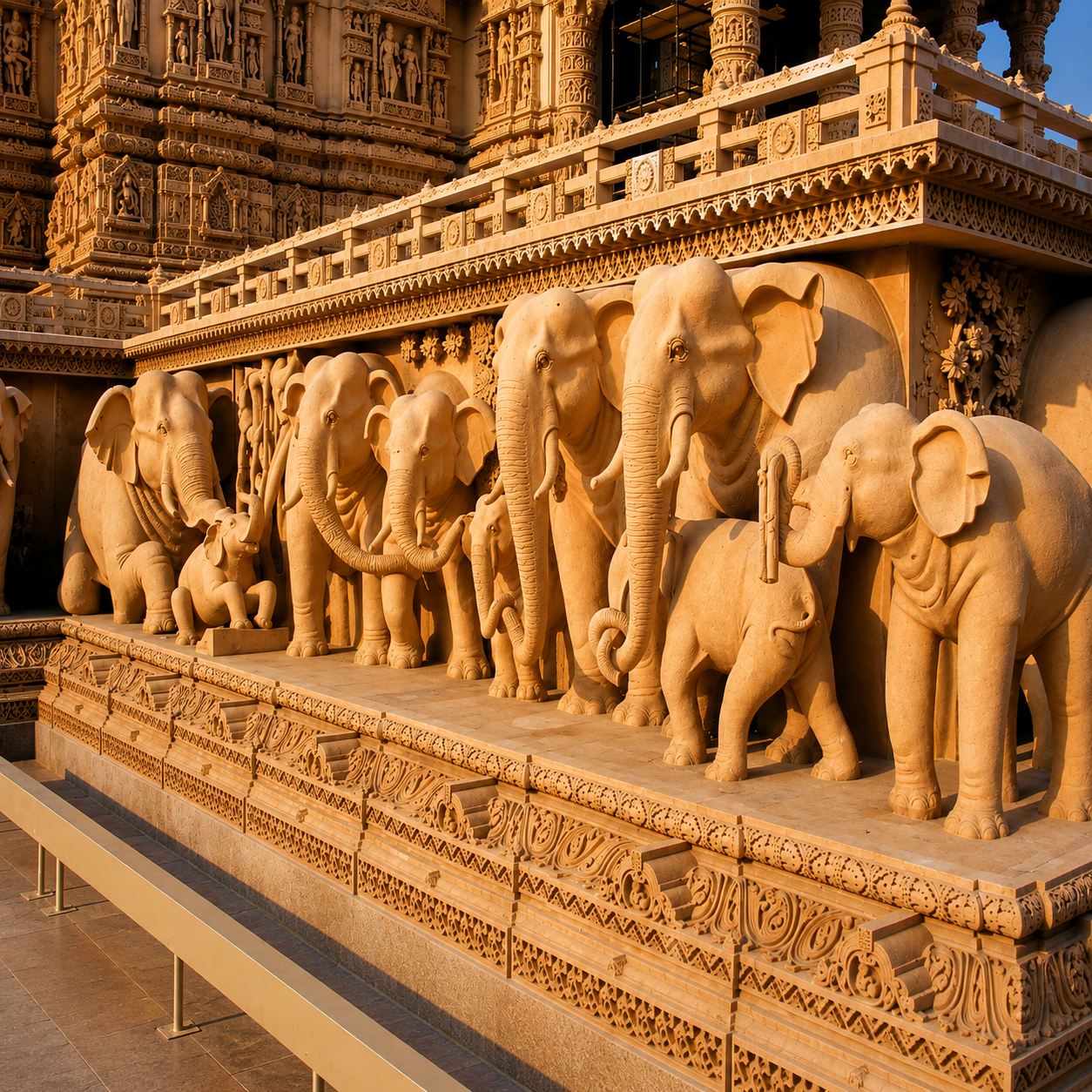
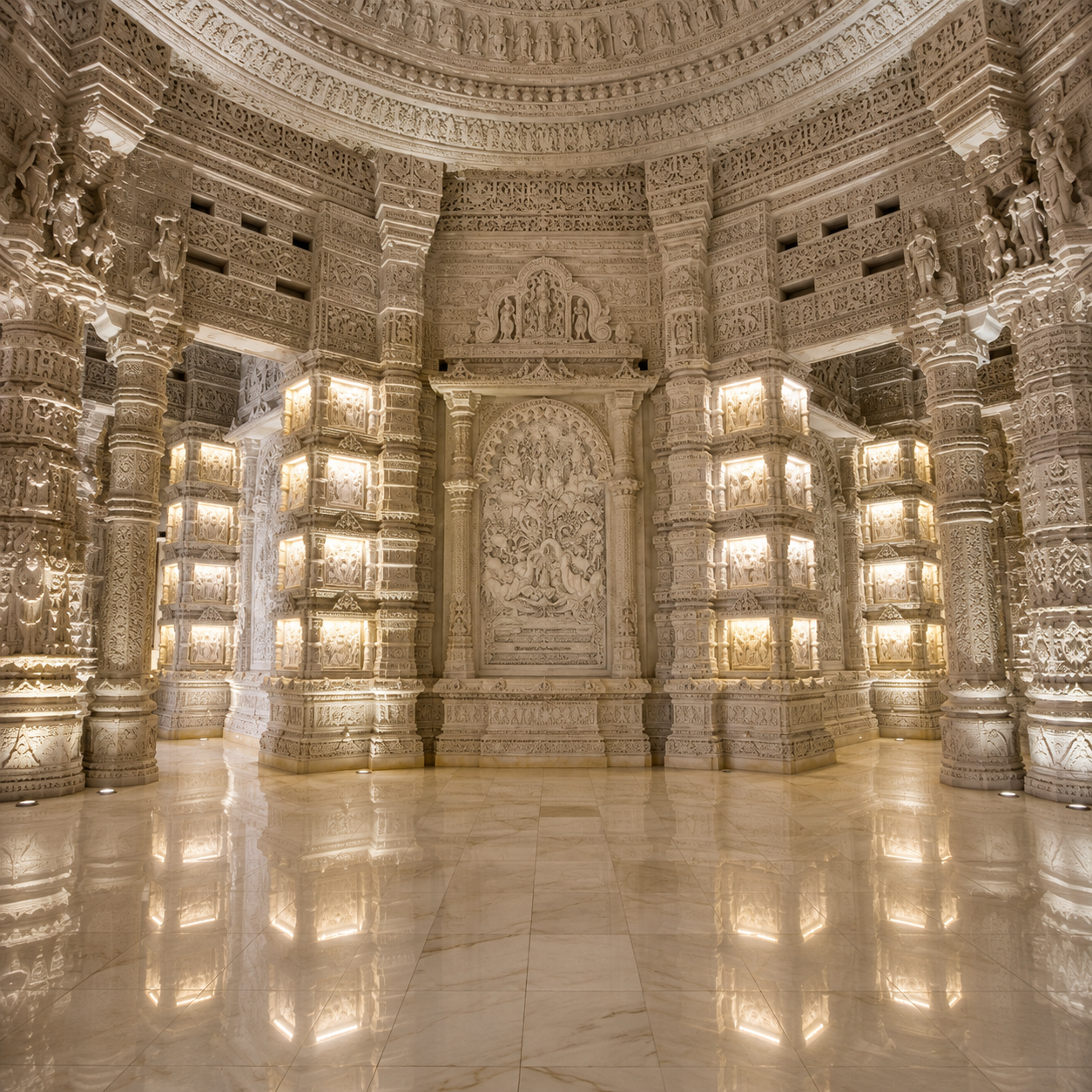
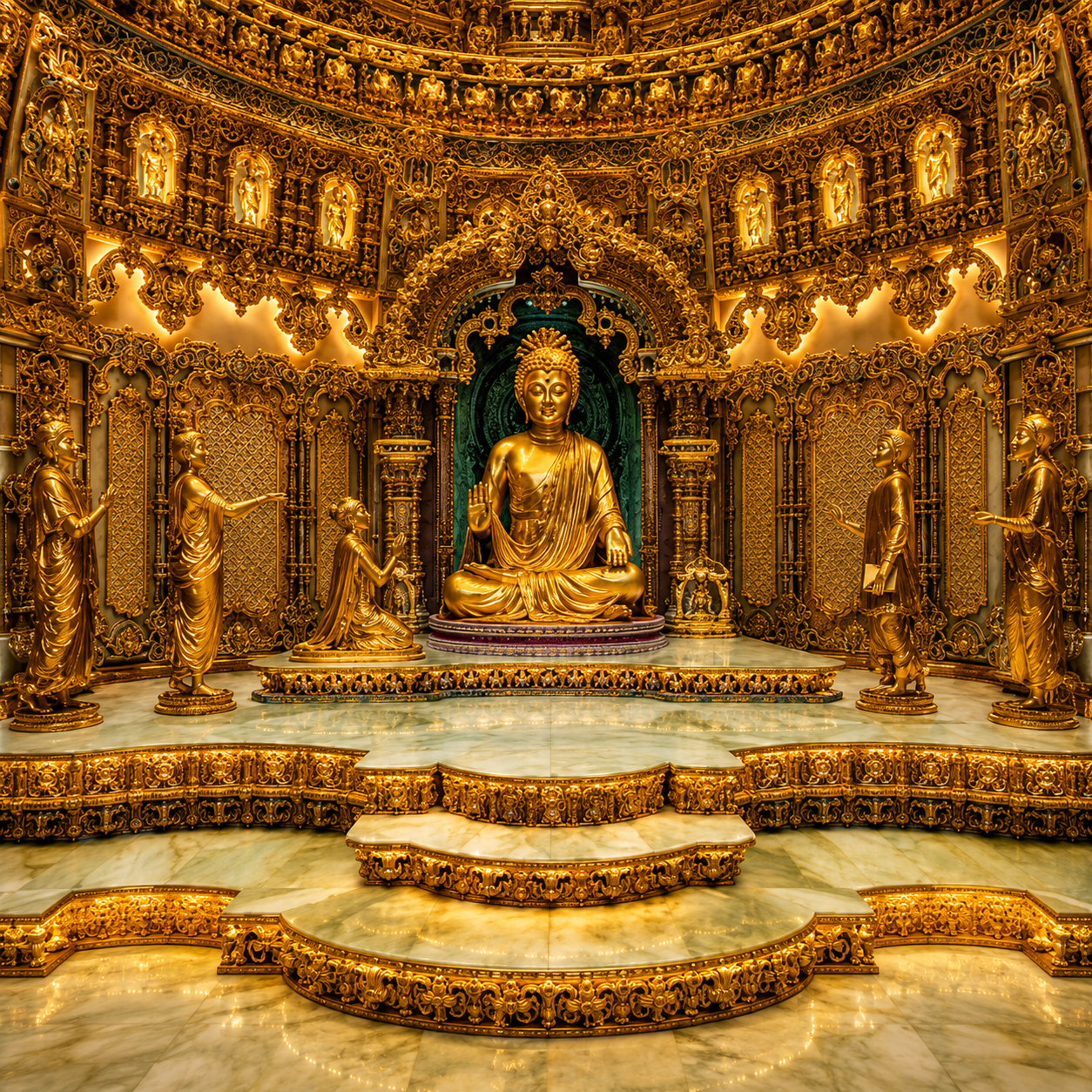
A Grand Hindu temple complex dedicated to Bhagwan, Swaminarayan. It showcases India's culture, spirituality and traditions.
Swaminarayan Akshardham Temple in New Delhi is a magnificent Hindu temple dedicated to Bhagwan Swaminarayan. Built by BAPS (Bochasanwasi Akshar Purushottam Swaminarayan Sanstha), the complex was officially inaugurated on 6 November 2005.The temple was constructed using traditional Indian architectural principles and features thousands of intricately carved figures, pillars, domes, and sculptures. It celebrates India’s spirituality, art, culture, and ancient traditions. Today, Akshardham is one of Delhi’s major spiritual and cultural landmarks.
Jagannath Temple
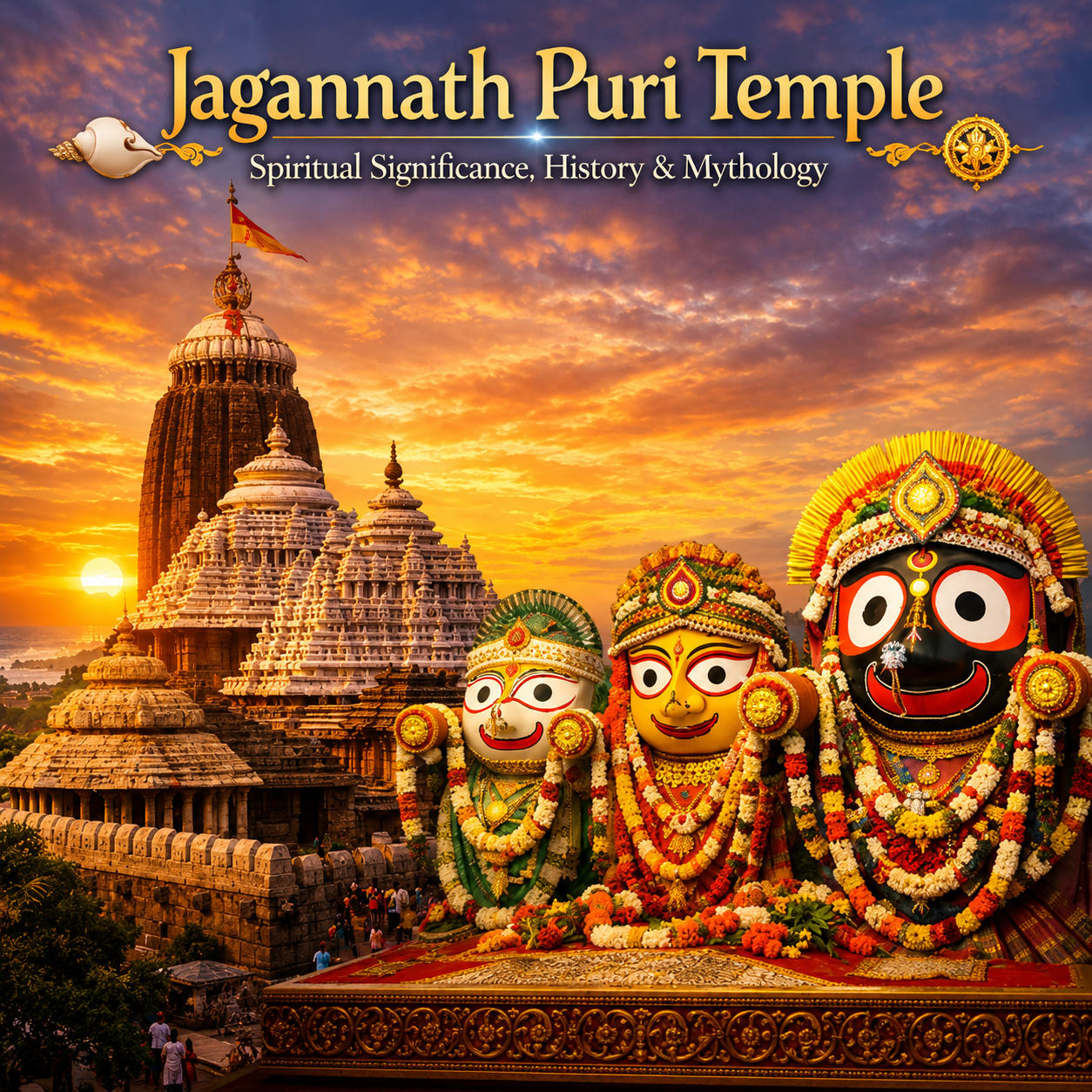
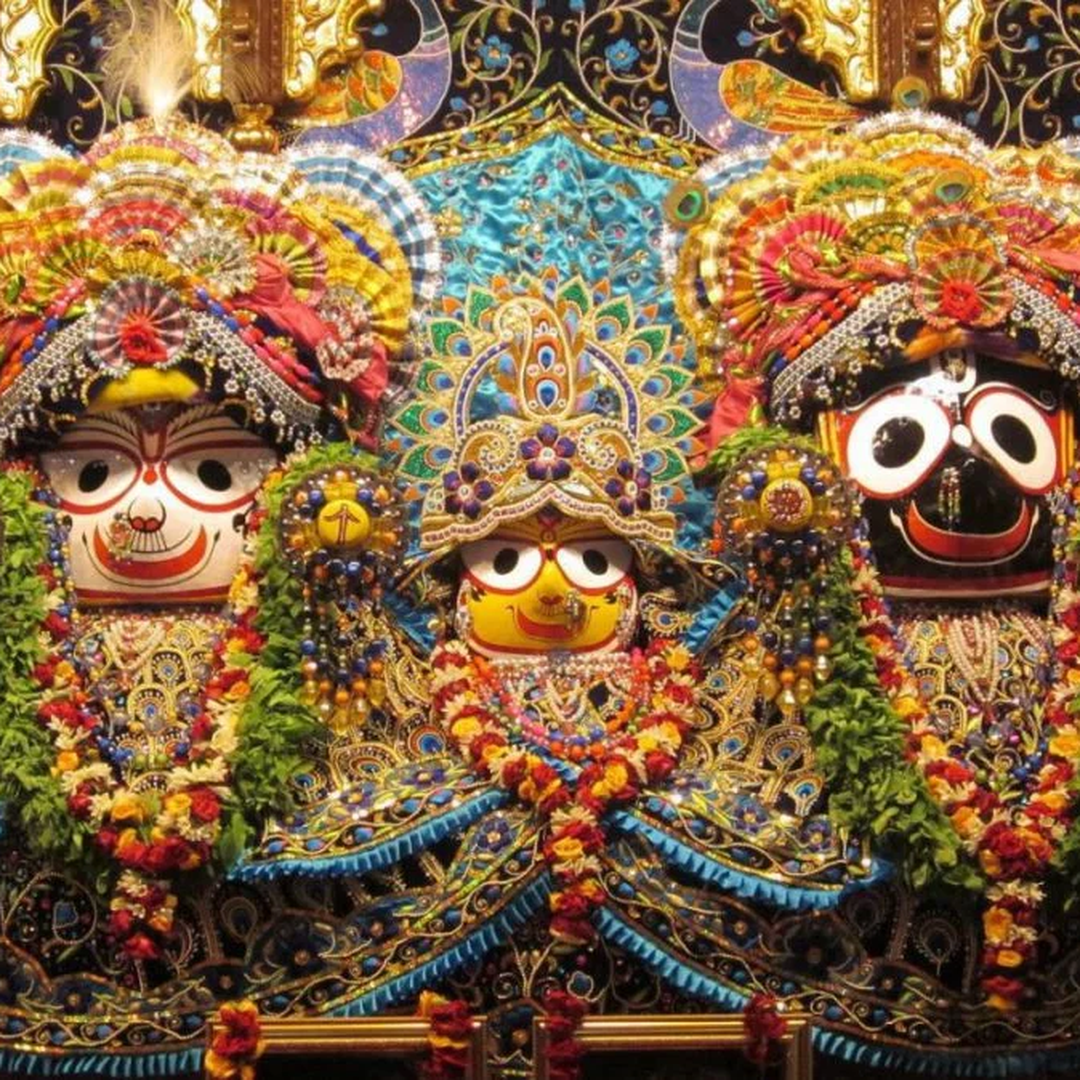
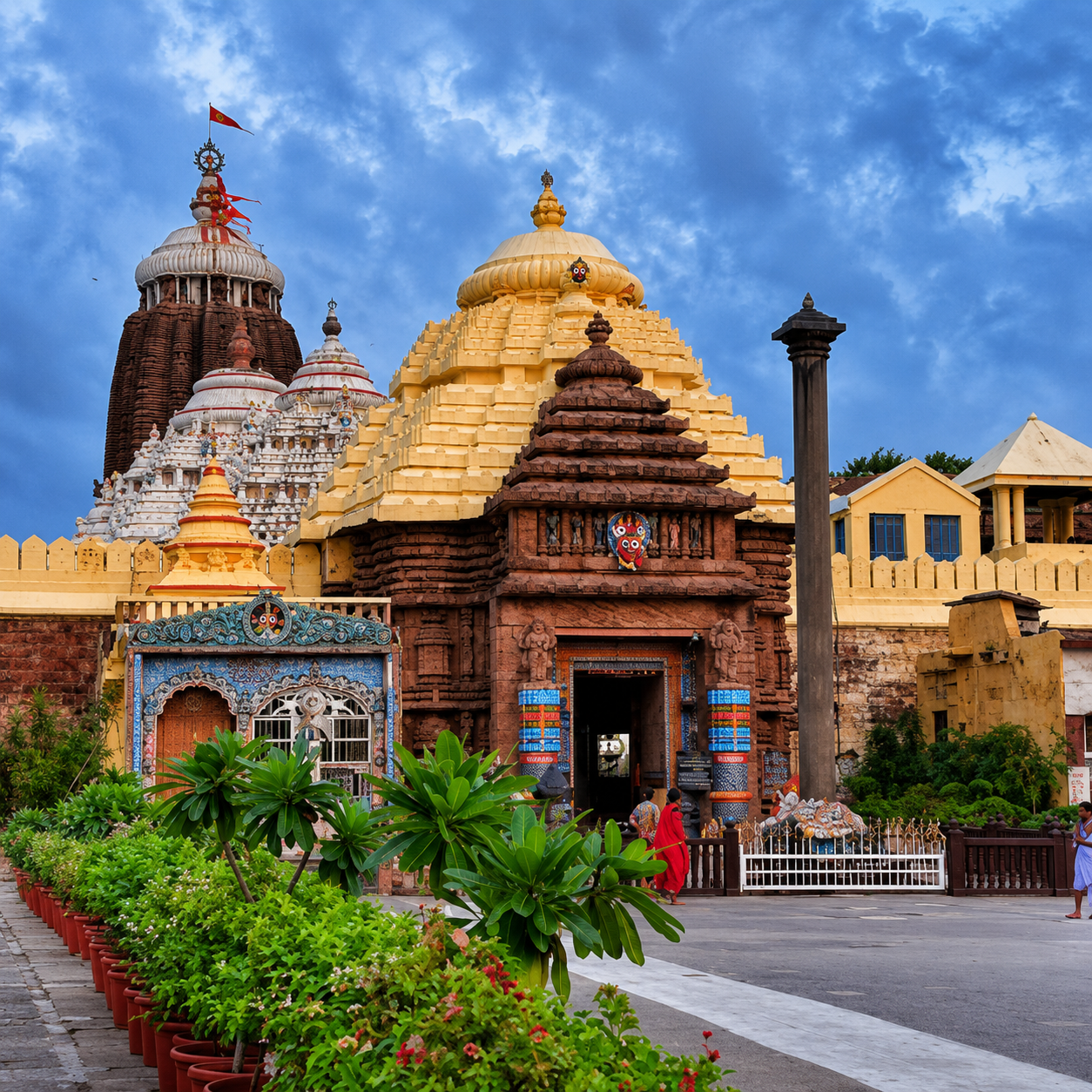
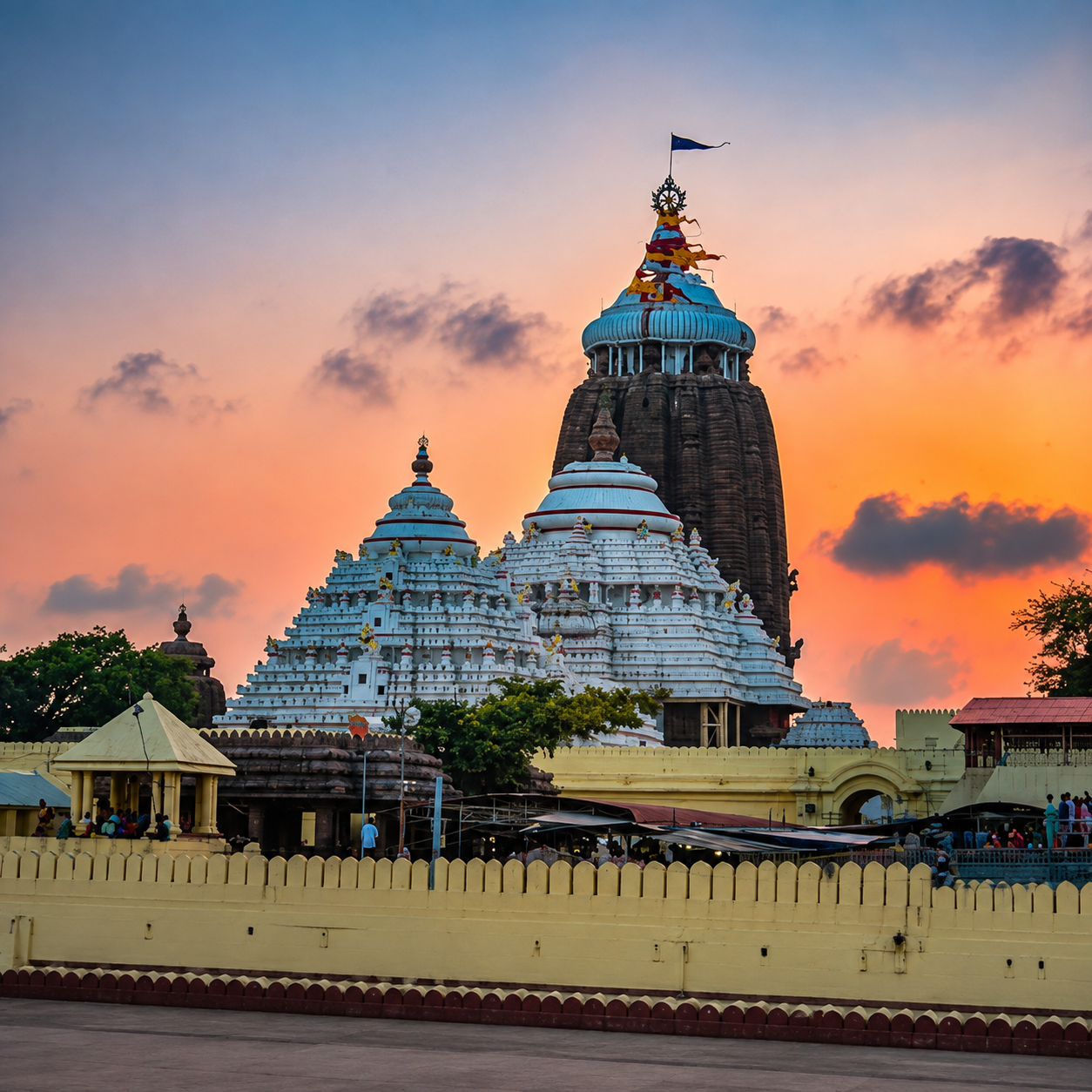
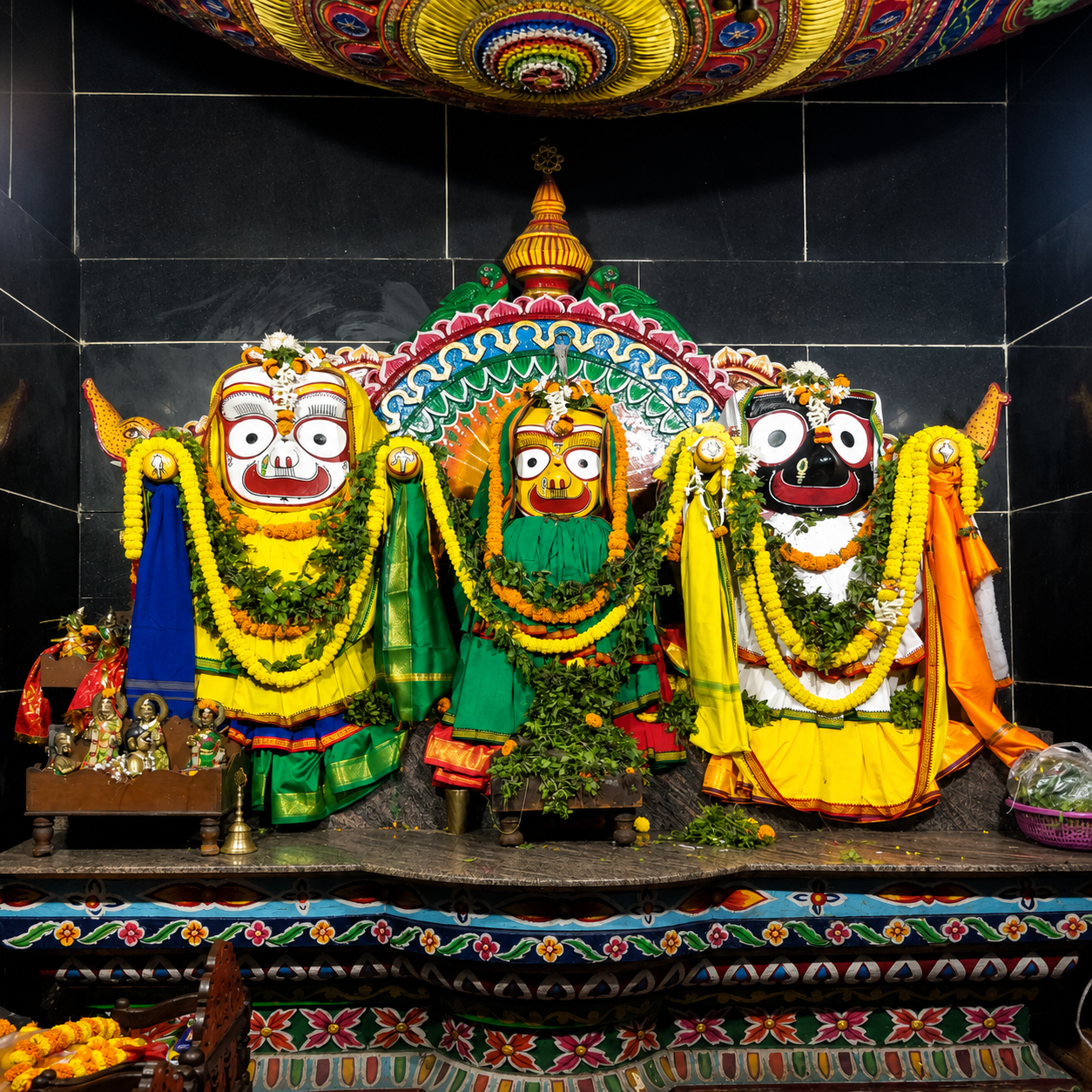
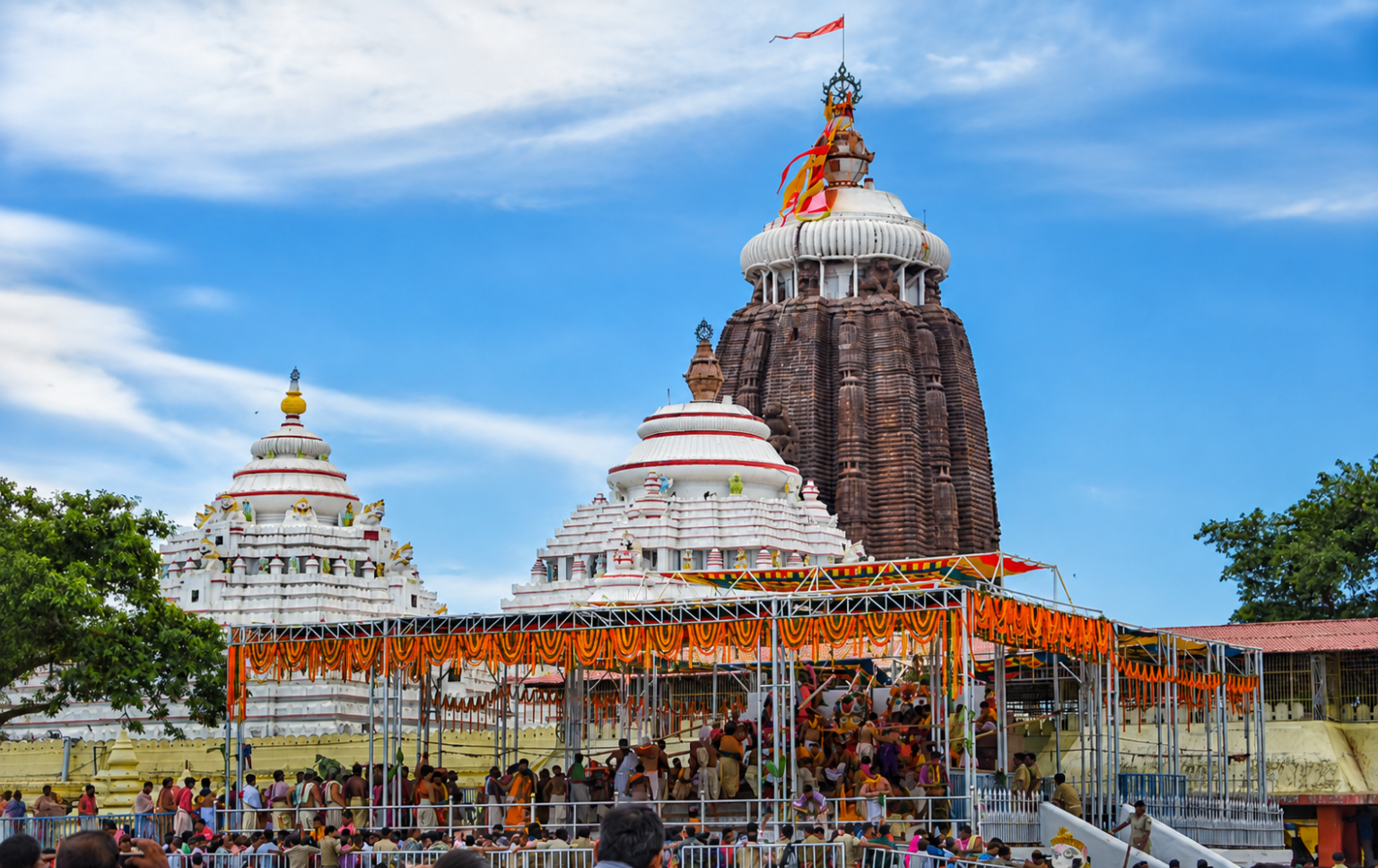
Jagannath Temple is dedicated to Lord Jagannath. his brother Balabhadra and sister Subhadra. It is one of the Char Dham and famous for the annual Rath Yatra.
The Jagannath Temple in Puri, Odisha, is one of the most sacred Hindu temples and one of the Char Dham pilgrimage sites. The present temple was built in the 12th century by King Anantavarman Chodaganga Deva of the Eastern Ganga dynasty and was further developed by his successors.The temple is dedicated to Lord Jagannath, a form of Lord Vishnu/Krishna, along with Lord Balabhadra and Goddess Subhadra. It is especially famous for the annual Rath Yatra, during which the three deities are carried in magnificent chariots. The temple has remained an important centre of Hindu devotion, culture, and pilgrimage for centuries.
Kedarnath Temple
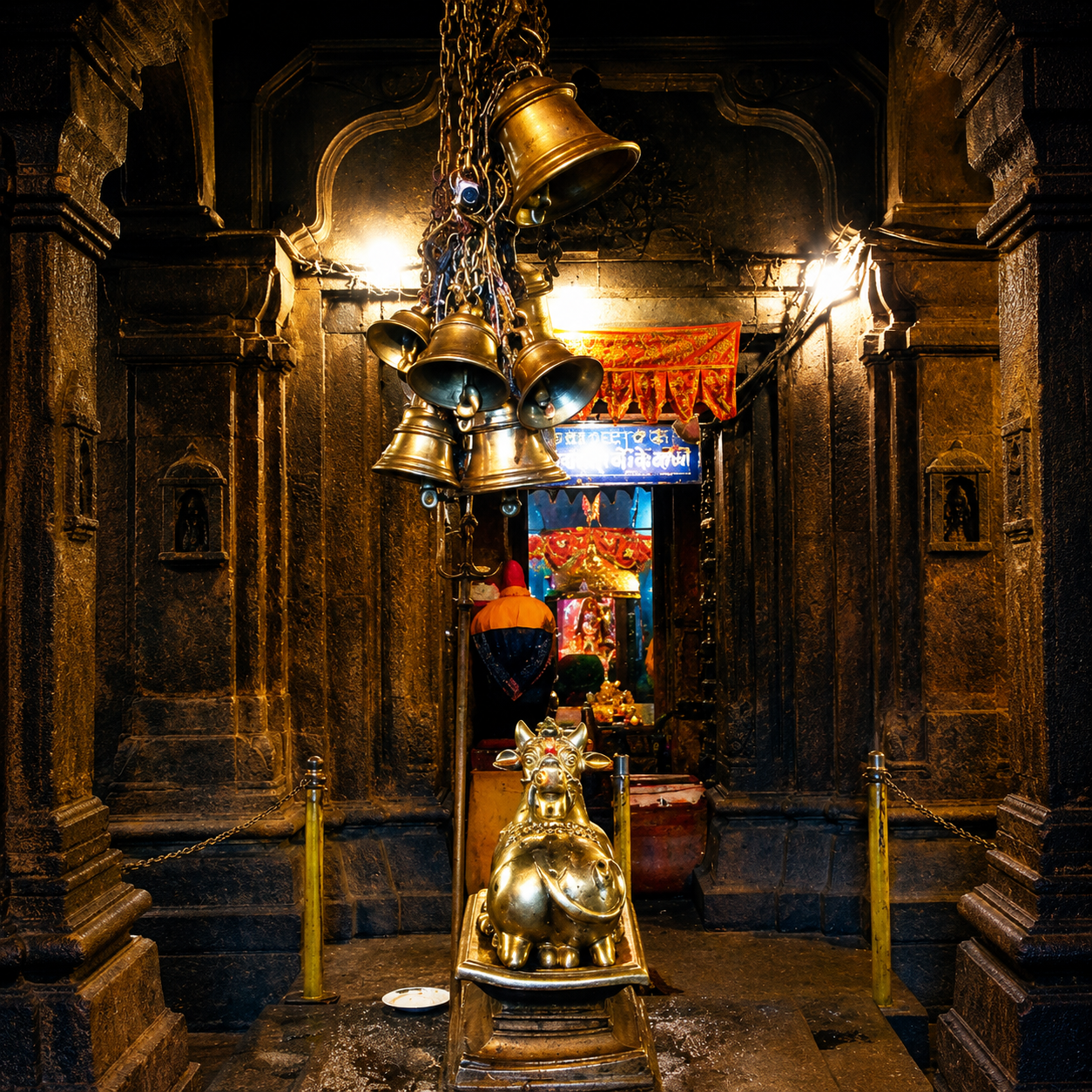
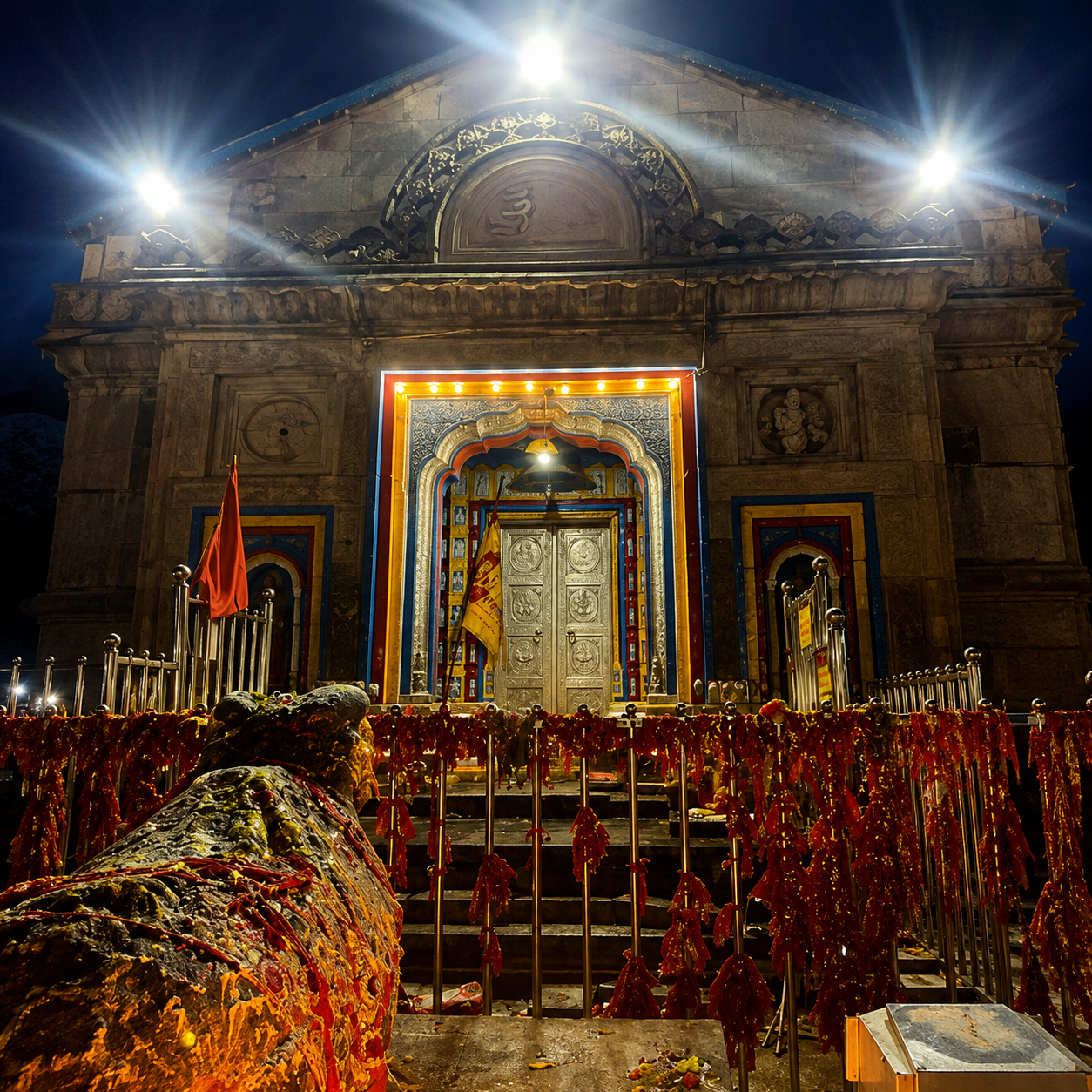
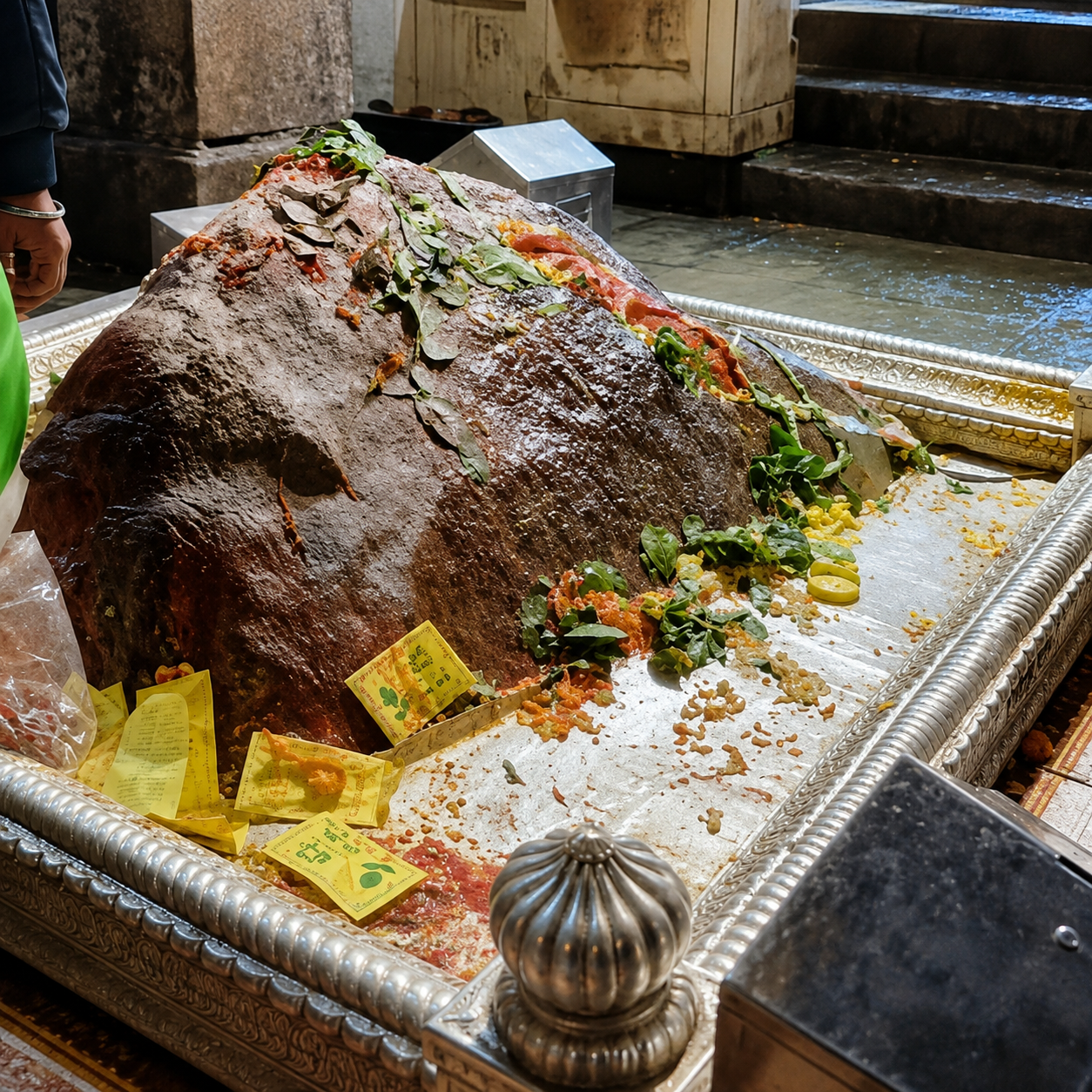
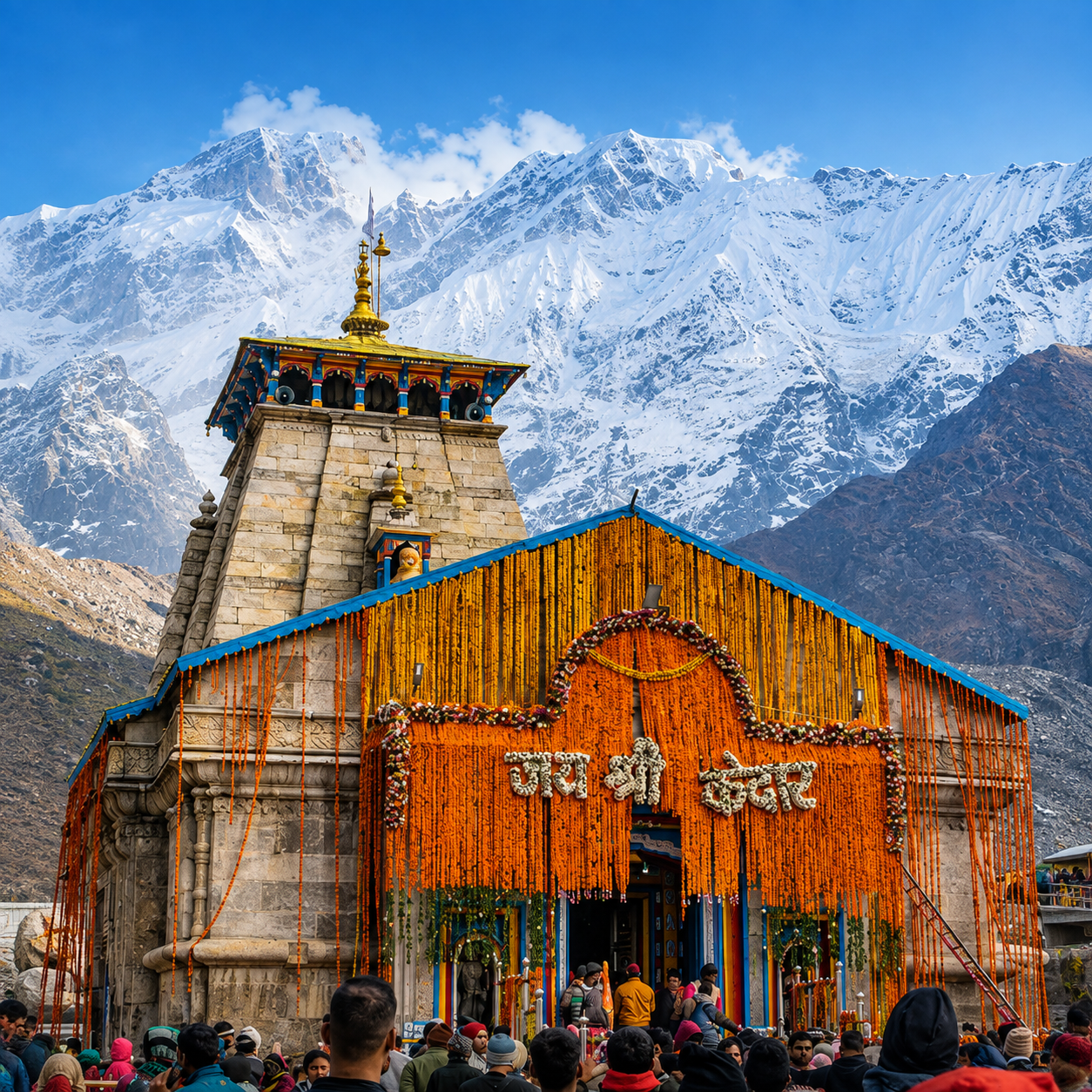
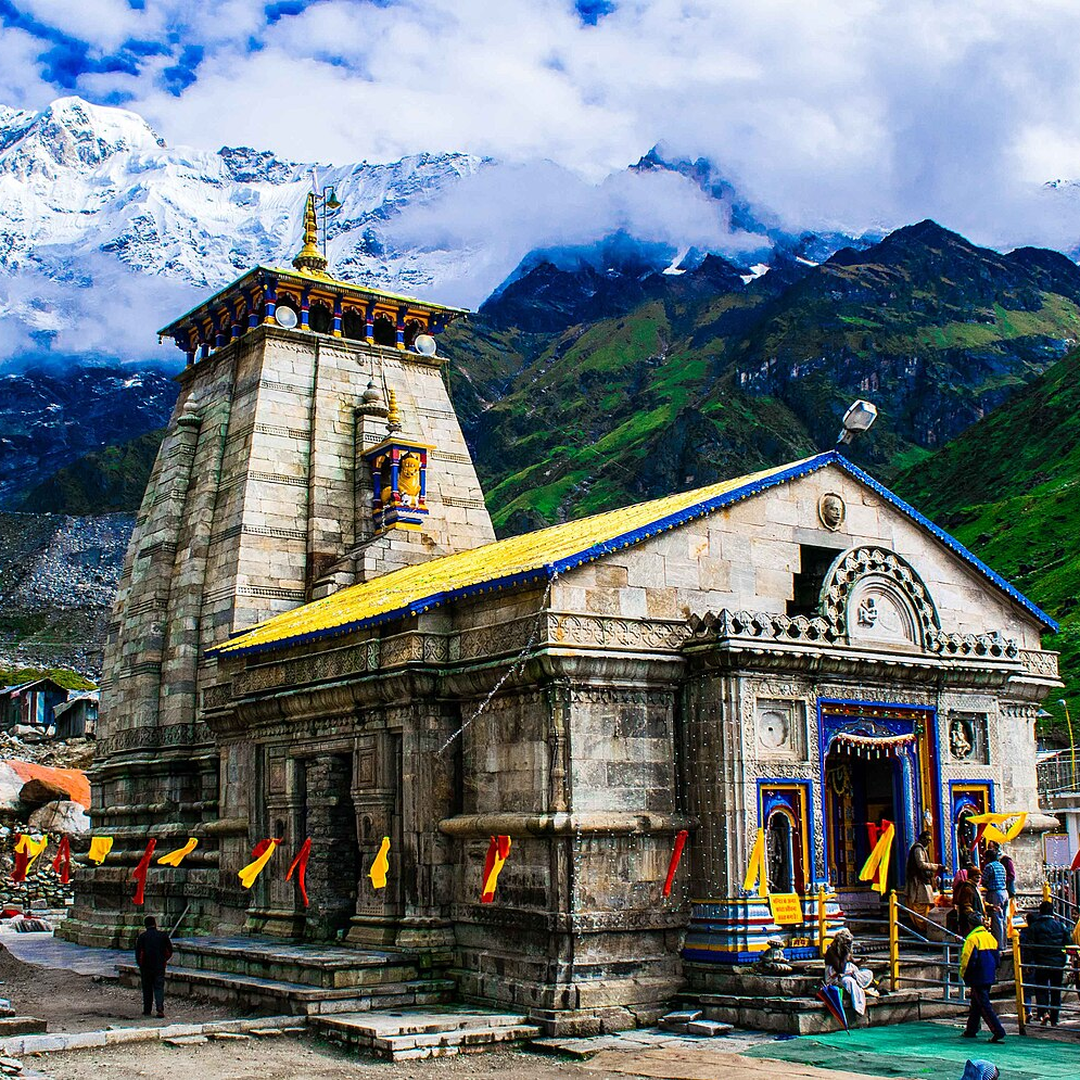
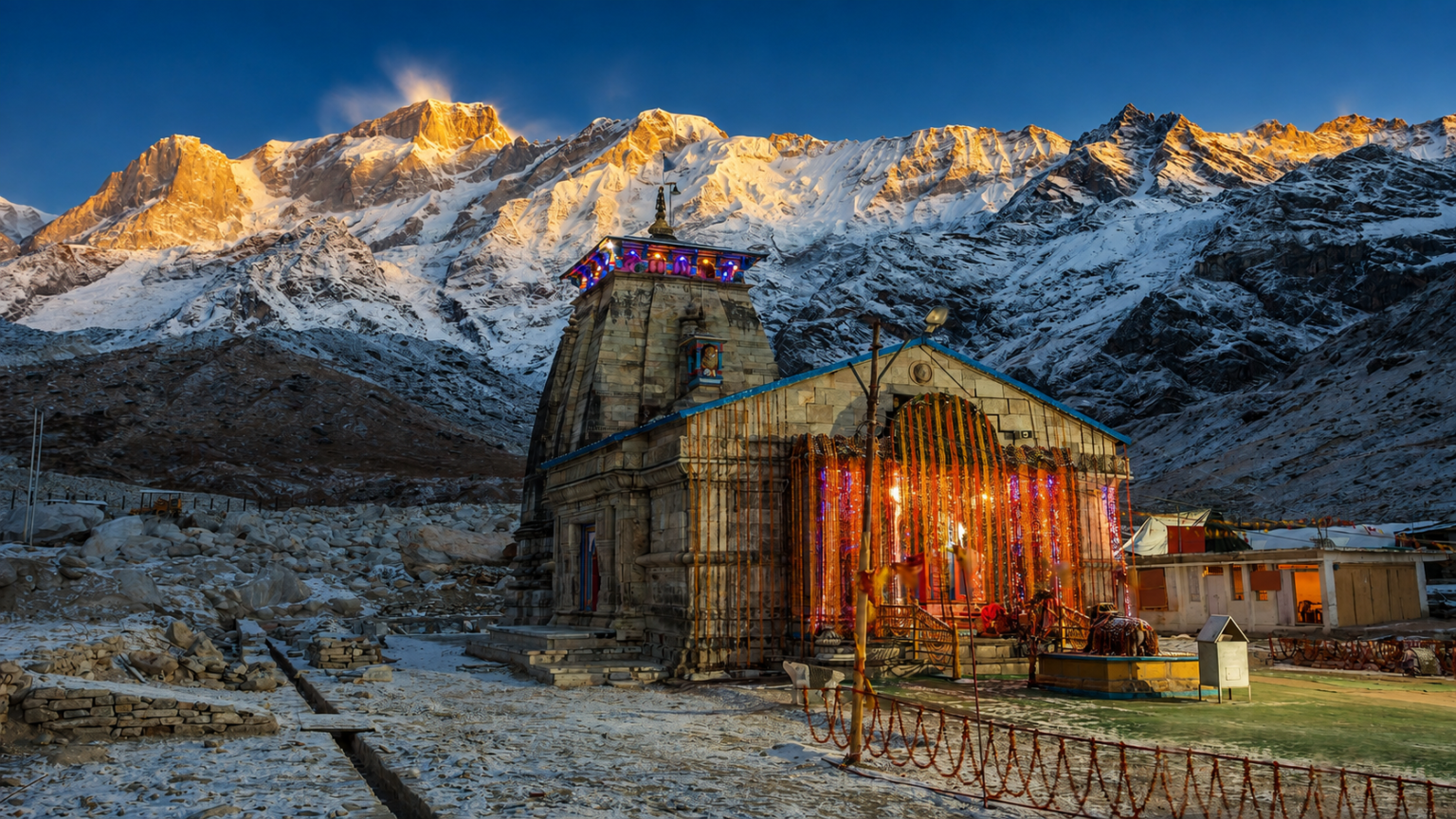
Kedarnath Temple is one of the most revered Jyotirlingas of Lord Shiva, located in the majestic Himalayas at an altitude of 3,853 meters.
Kedarnath Temple, located in Uttarakhand, is one of the 12 Jyotirlingas of Lord Shiva and an important part of the Char Dham Yatra. According to Hindu tradition, the temple is associated with the Pandavas, who worshipped Lord Shiva here seeking forgiveness after the Mahabharata war. The present stone temple is traditionally linked with Adi Shankaracharya, who is believed to have revived the shrine around the 8th century CE. Surrounded by the Himalayas, Kedarnath remains one of India’s most sacred pilgrimage sites. Built from massive stone slabs, the temple has endured the harsh Himalayan climate for centuries. Despite the devastating 2013 Uttarakhand floods, the main temple survived and continues to attract thousands of devotees every year.
Dilwara Jain Temple
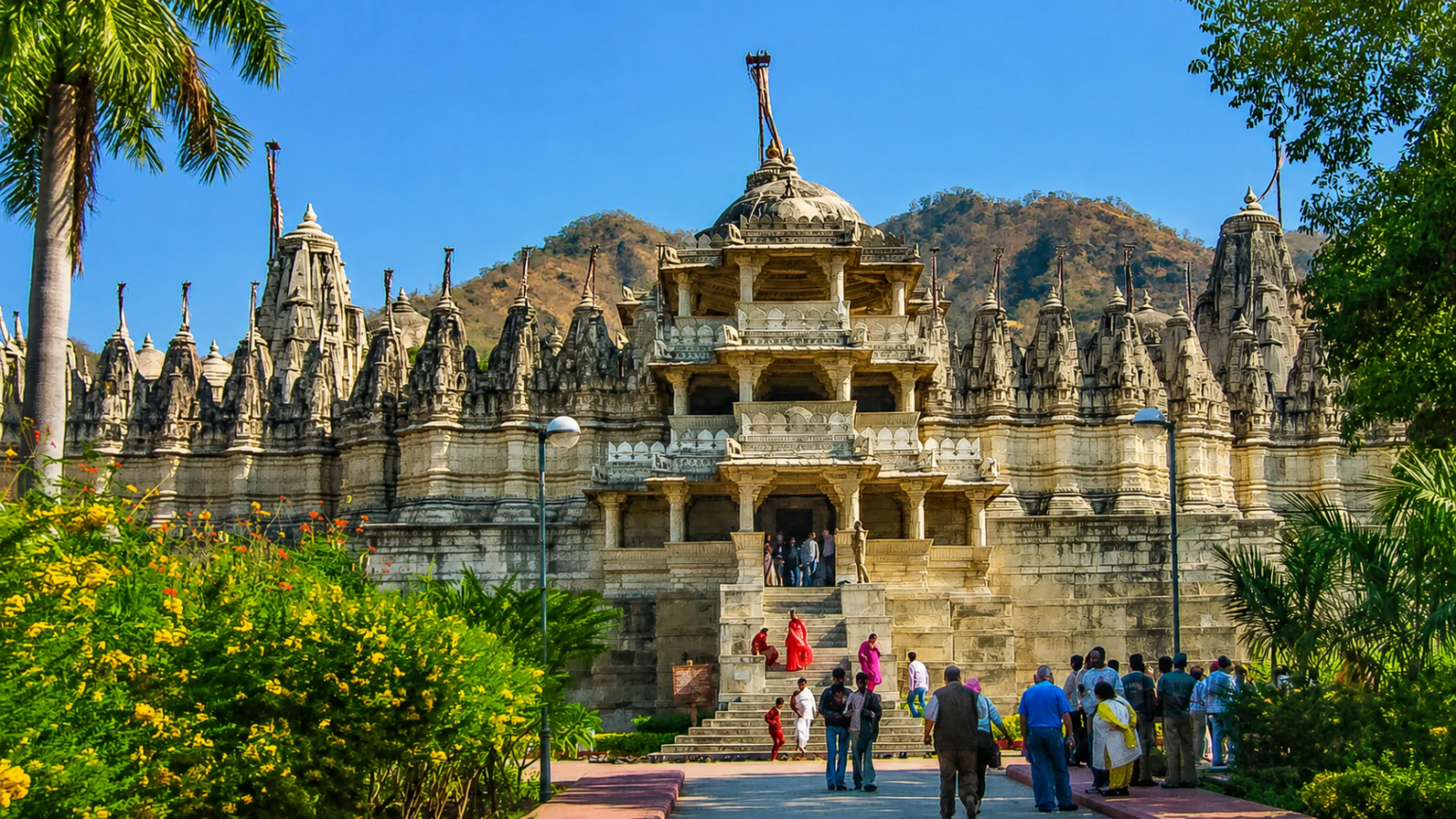
Famous for their exquisites marble carvings and intricate architecture, dedicated to Tirthankaras.
The Dilwara Temples, located near Mount Abu, Rajasthan, are a group of five famous Jain temples built between the 11th and 16th centuries. The oldest, Vimal Vasahi Temple, was built in 1031 CE by Vimal Shah and is dedicated to Lord Adinath, the first Jain Tirthankara.The Luna Vasahi Temple was later built in the 13th century by Vastupal and Tejpal and dedicated to Lord Neminath, the 22nd Tirthankara. The temples are especially renowned for their extraordinary white marble architecture, intricately carved pillars, ceilings, domes, and sculptures, making them among the finest examples of Jain architecture in India.
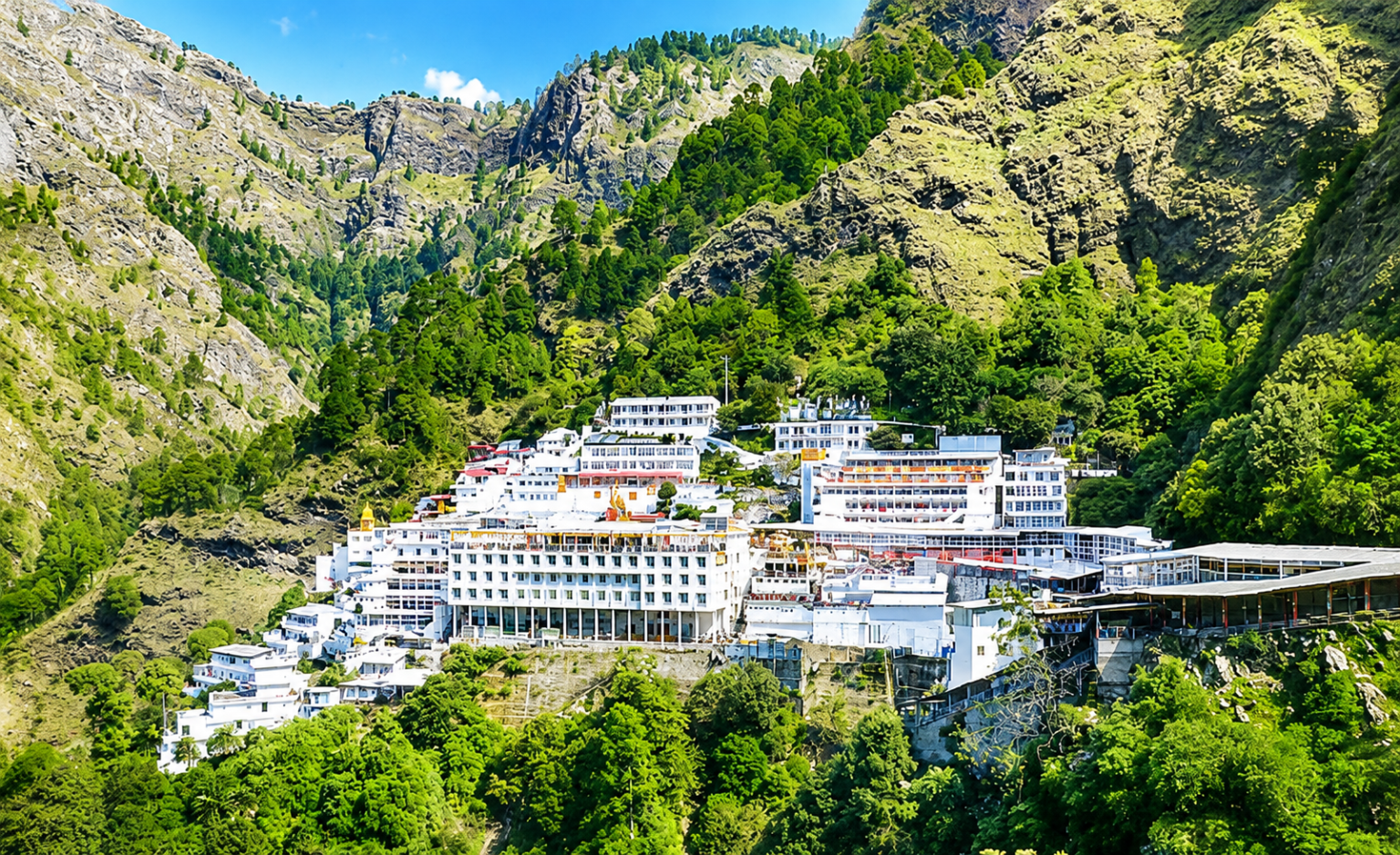
Vaishno Devi Temple
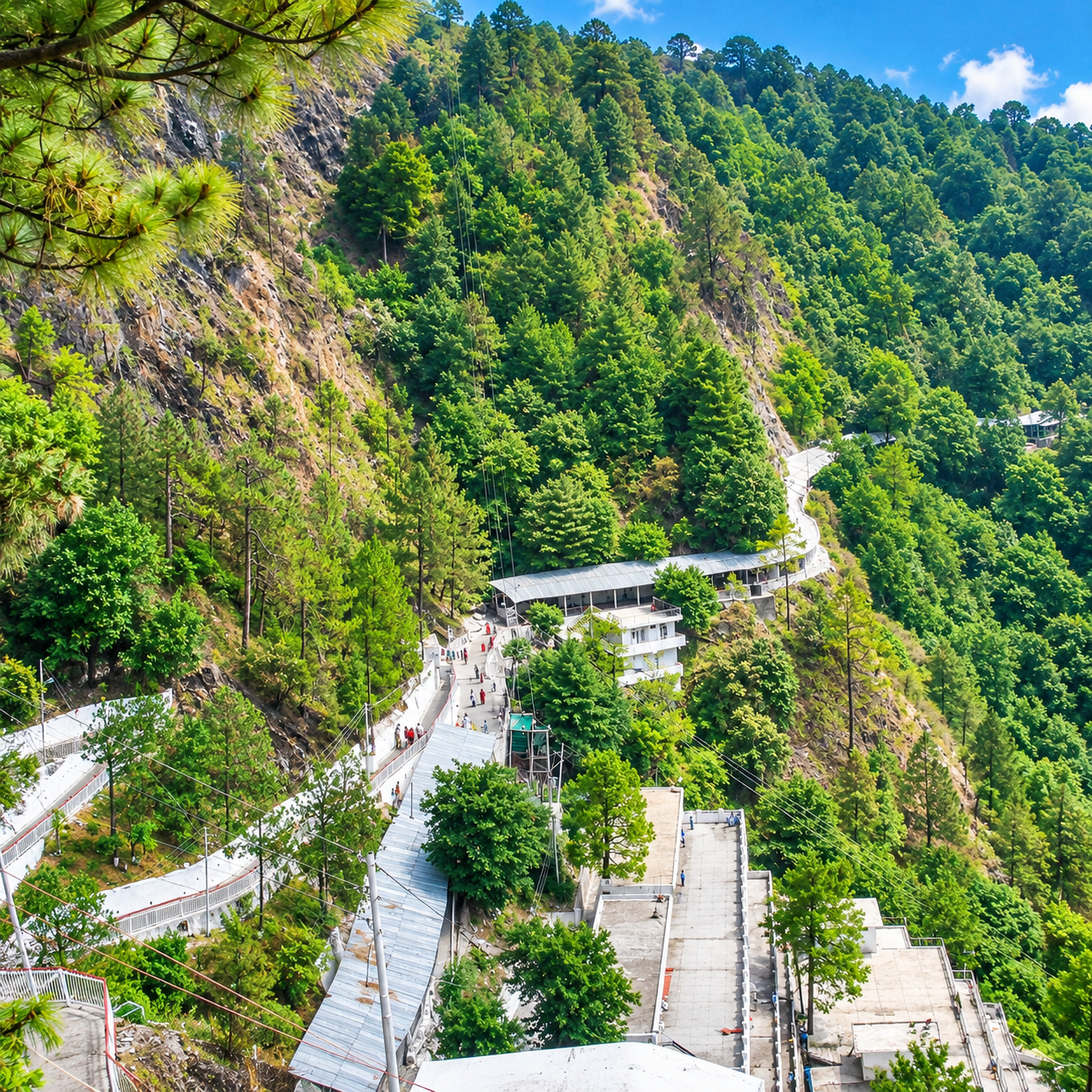
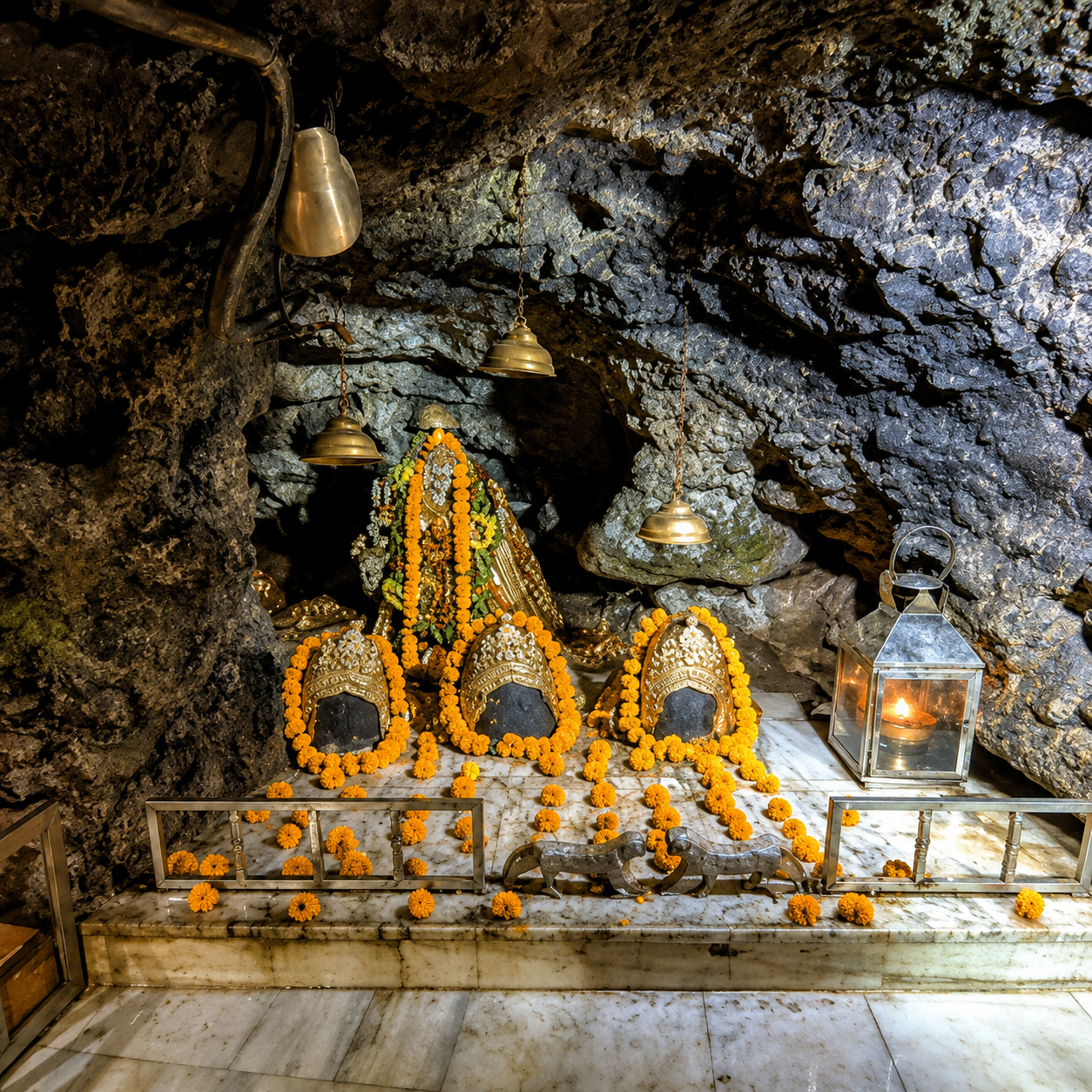
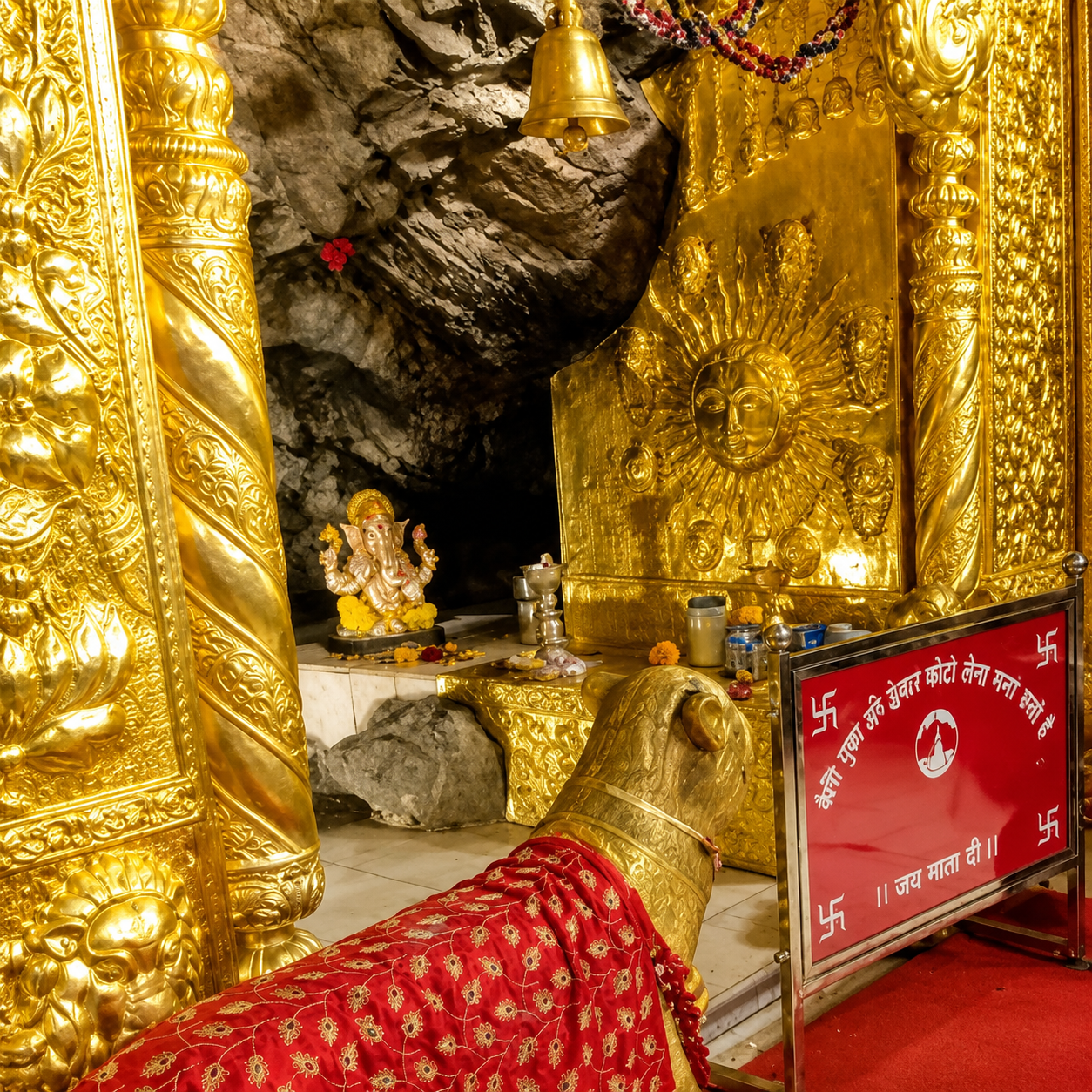
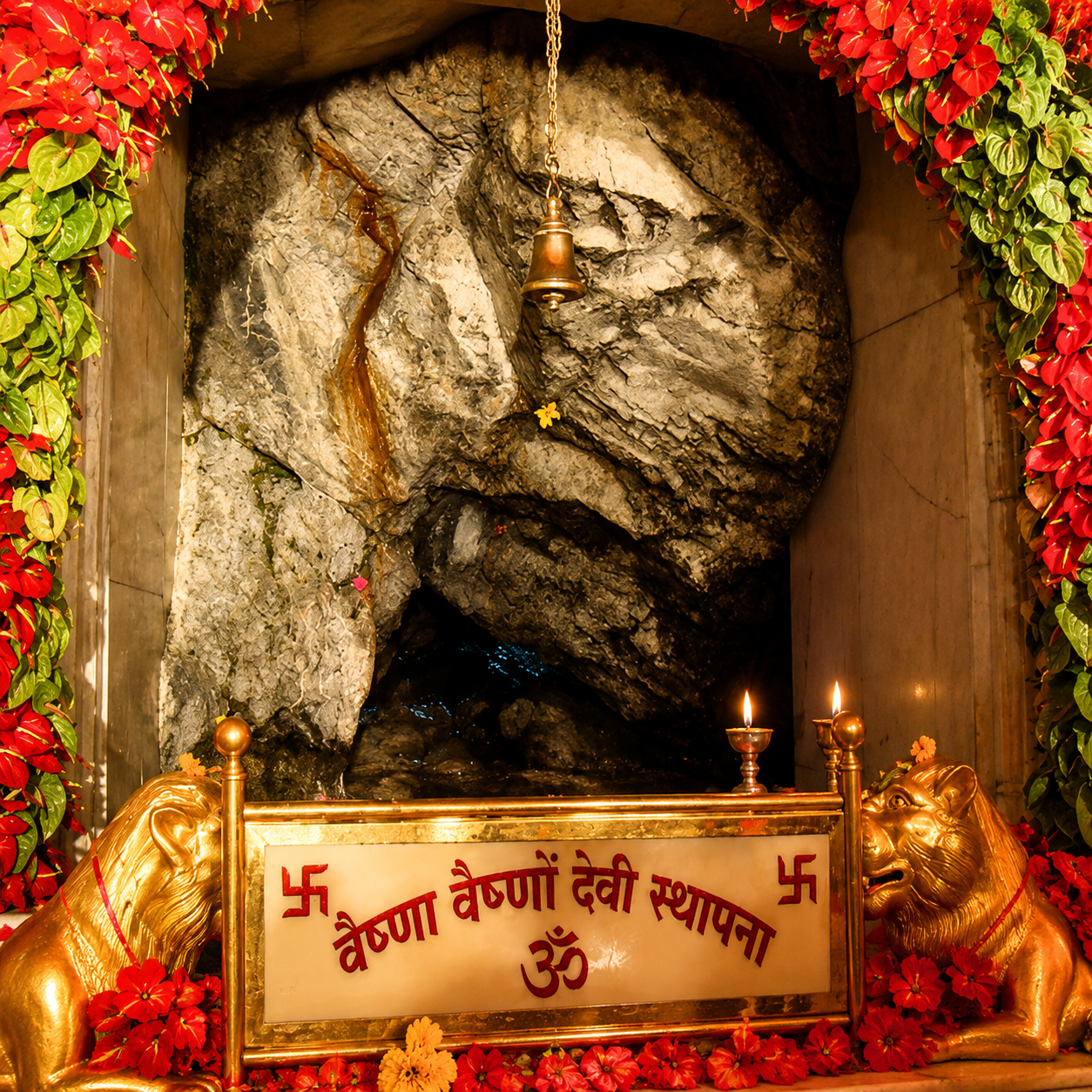
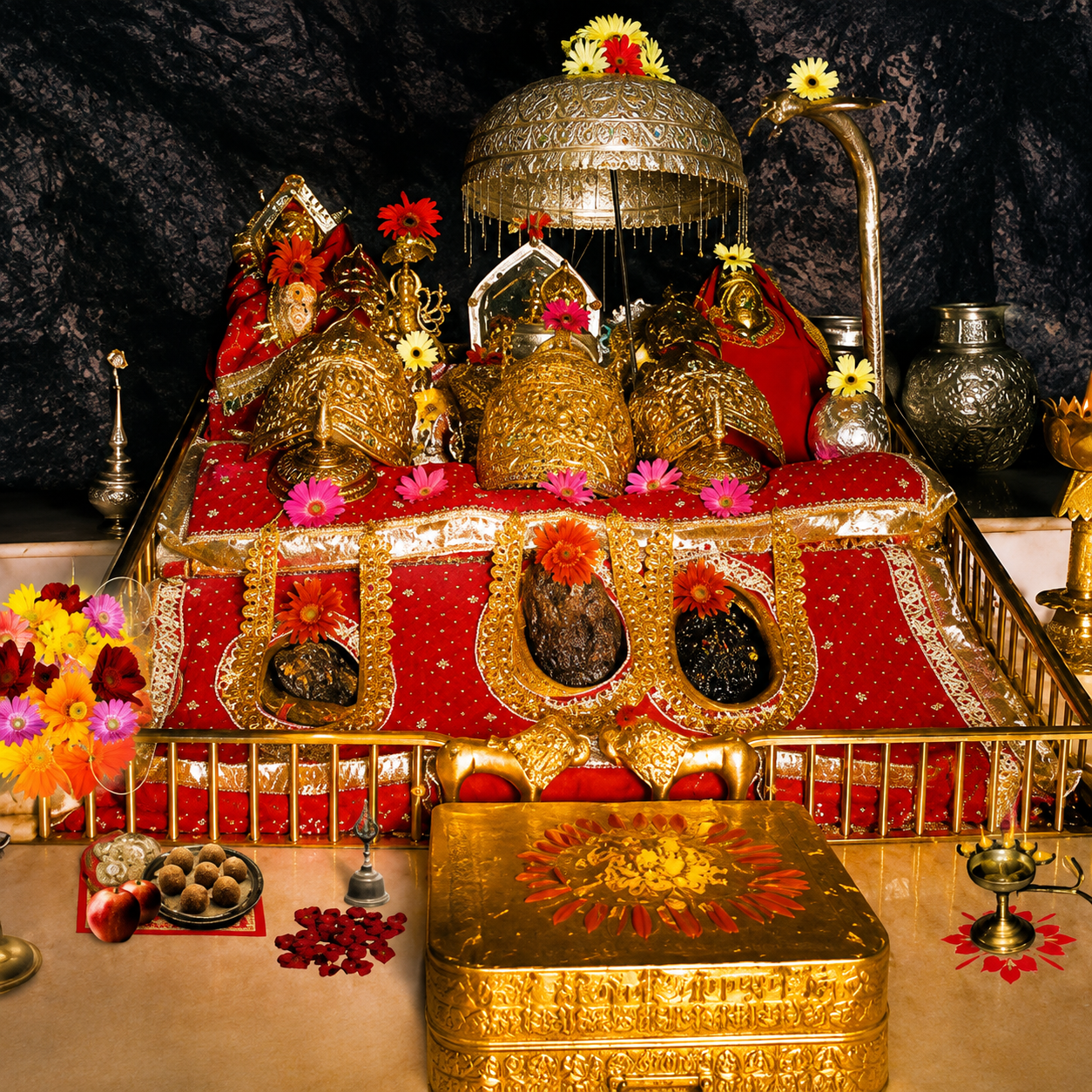
Dedicated to Goddess Vaishno Devi, this sacred Shrine is situated in the Trikuta Mountains.
The Vaishno Devi Temple, located in the Trikuta Hills near Katra, Jammu & Kashmir, is one of the most revered Hindu pilgrimage sites in India. The shrine is dedicated to Mata Vaishno Devi, worshipped in the sacred cave in the form of three natural rock formations (Pindis) representing Maha Kali, Maha Lakshmi, and Maha Saraswati.According to Hindu tradition, Mata Vaishno Devi performed intense meditation in these hills and later encountered Bhairavnath. The sacred cave has been a centre of pilgrimage for centuries, although its exact historical origin is uncertain. Today, millions of devotees undertake the journey to the holy shrine every year seeking the blessings of Mata Vaishno Devi.